“Public television has an important role, and I look forward to all that we will do moving forward,” PBS CEO and president Paula Kerger told journalists today during a Zoom teleconference on behalf of the US’s public broadcaster.
Kerger’s words were carefully calibrated to the UK government’s announcement over the weekend that it’s ending the BBC’s licence fee earlier than expected, and will take a hard look at public funding for the BBC in the near future.
PBS has been embraced by larger audiences during Covid lockdowns and, perhaps more importantly, has shown itself to be one of the few mainstream broadcasters resilient enough to hold its own against streaming services such as Netflix and Disney+ during the pandemic.
If anything, Kerger is “doubling down” — her words — on programming other broadcasters can’t or won’t produce.
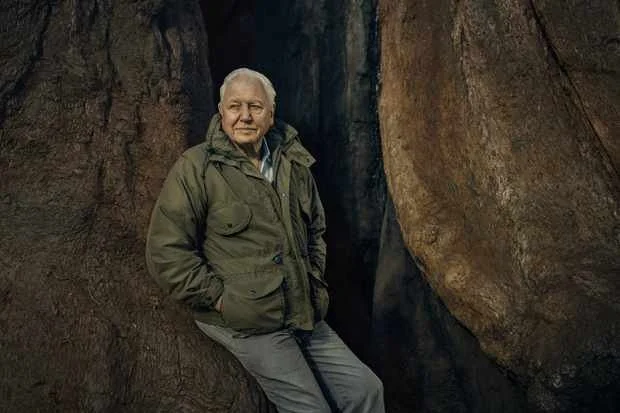
To that end Kerger announced that PBS has landed the exclusive US rights to The Green Planet, Sir David Attenborough’s critically acclaimed five-part nature series about plant life.
The Green Planet has already debuted to a UK audience — ironically on the very same beleaguered public broadcaster that the UK government is determined to cut — to near-record numbers and widespread acclaim.
Kerger was guarded in her comments about BBC’s latest s, saying simply that the world’s public broadcasters work together on numerous projects and PBS in particular enjoys bipartisan support from both conservative and liberal politicans in the US Congress. Though they are both public broadcasters, PBS and BBC are notably different in both content and in funding. PBS has traditionally prided itself on being a source of news and information programming, and not entertainment.
The Green Planet is an audacious and ambitious move on PBS’s part.
Attenborough’s high-profile documentarty programs have traditionally been shown to US audiences by BBC America, now owned by the AMC group of networks; Discovery Channel, part of the Discovery Networks group of worldwide channels; and in Canada by BBC Earth, a relatively new streaming service across Canada. Another Attenborough series, Our Planet, was produced and streams exclusively on Netflix.
The Green Planet will debut on PBS in July. It’s an auspicious occasion for the Attenborough program because PBS, being a public broadcaster, is available in every home in the US with a TV. BBC America, Discovery and others use the cable/streaming model, and so reach a smaller, more niche segment of the audience. By airing on PBS, The Green Planet is poised to become the most watched Attenborough nature program in US history.
The Green Planet builds on “our rich legacy of science and natural history programming that is committed to addressing issues around conservation and climate change,” Kerger told writers during her morning announcement. “The Green Planet is a deeply immersive portrtayal of the world of plants, which are the backbone of our ecosystem. Not only is the content compelling; it’s visually stunning. It’s groundbreaking, too, with new filming techniques and caerma rigs that were specifically invented for this project to capture plant behaviour.”
The Green Planet is both a cornerstone and a signal of PBS’s increased emphasis on science and nature programming during the next weeks and months, Kerger added. PBS’ long-running science program NOVA is prepping a program about Arctic sinkholes, and PBS’s multiple Emmy-winning news program Frontline is readying a three-part program about the link between climate change and the fossil fuel industry.
“We’re here to bring light to the beauty and fragility or our planet,” Kerger said.