“It seemed to the elephant that you could tell a lot about someone by the way they carried a secret — by how safe they kept it, how soon they told, the way they acted when they were trying to keep it from spilling out.”
First, the facts.
Ishanga: African savannah elephant.
Current age: 16 years old
Gender: Female
Rescue date: 17 Nov 2010
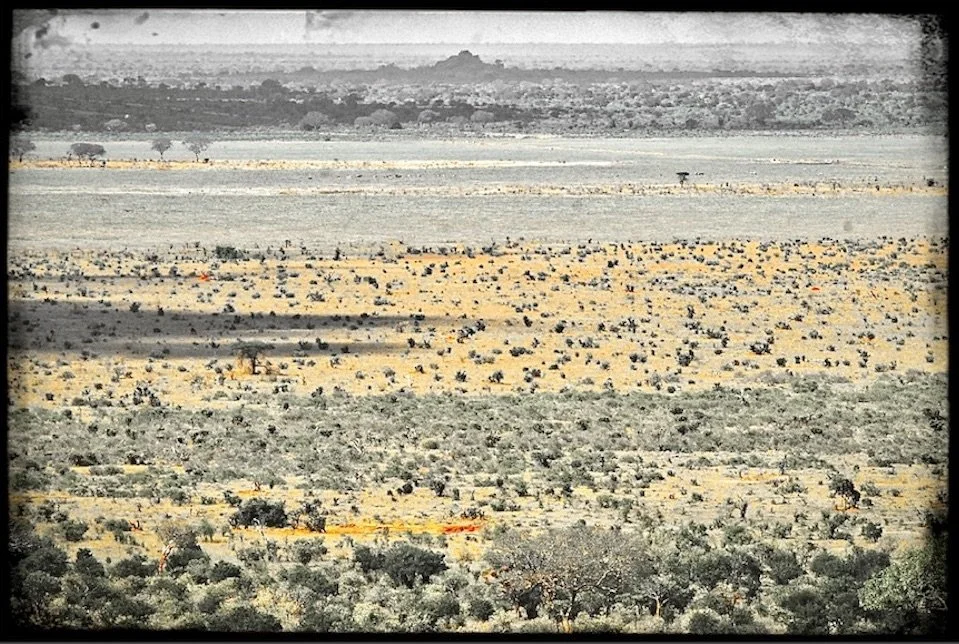
Rescue location: Tsavo West National Park, Kenya
Date of birth (estimate): 10 Nov 2009
Reason orphaned: Poaching
Age at rescue: 12 months old (approx.)
Current location: Living Wild, reintegrated at Ithumba, Tsavo East National Park
Now, the overview. And herein lies a tale.
Ishanga’s story is one of the most dramatic in the history of the David Sheldrick Wildlife Trust. The trust and its accompanying “elephant orphanage” was established in 1977 in Nairobi, Kenya by the late Dame Daphne Sheldrick in memory of her late husband, David Sheldrick. Sheldrick, born in Egypt but raised in Kenya as an infant, grew up to become a prominent naturalist and the founding warden of Kenya's Tsavo East National Park.
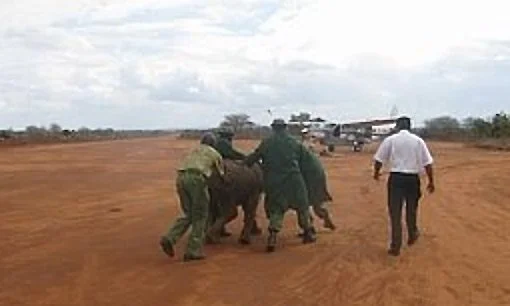
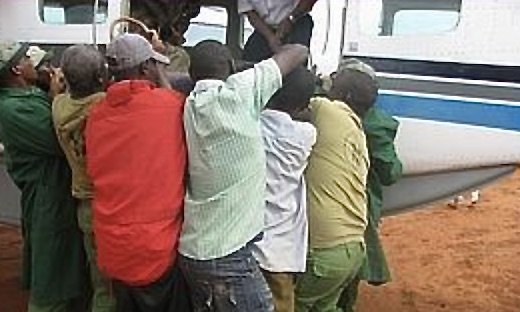
Ishanga was rescued rescued in November, 2010 after being orphaned by ivory poachers.
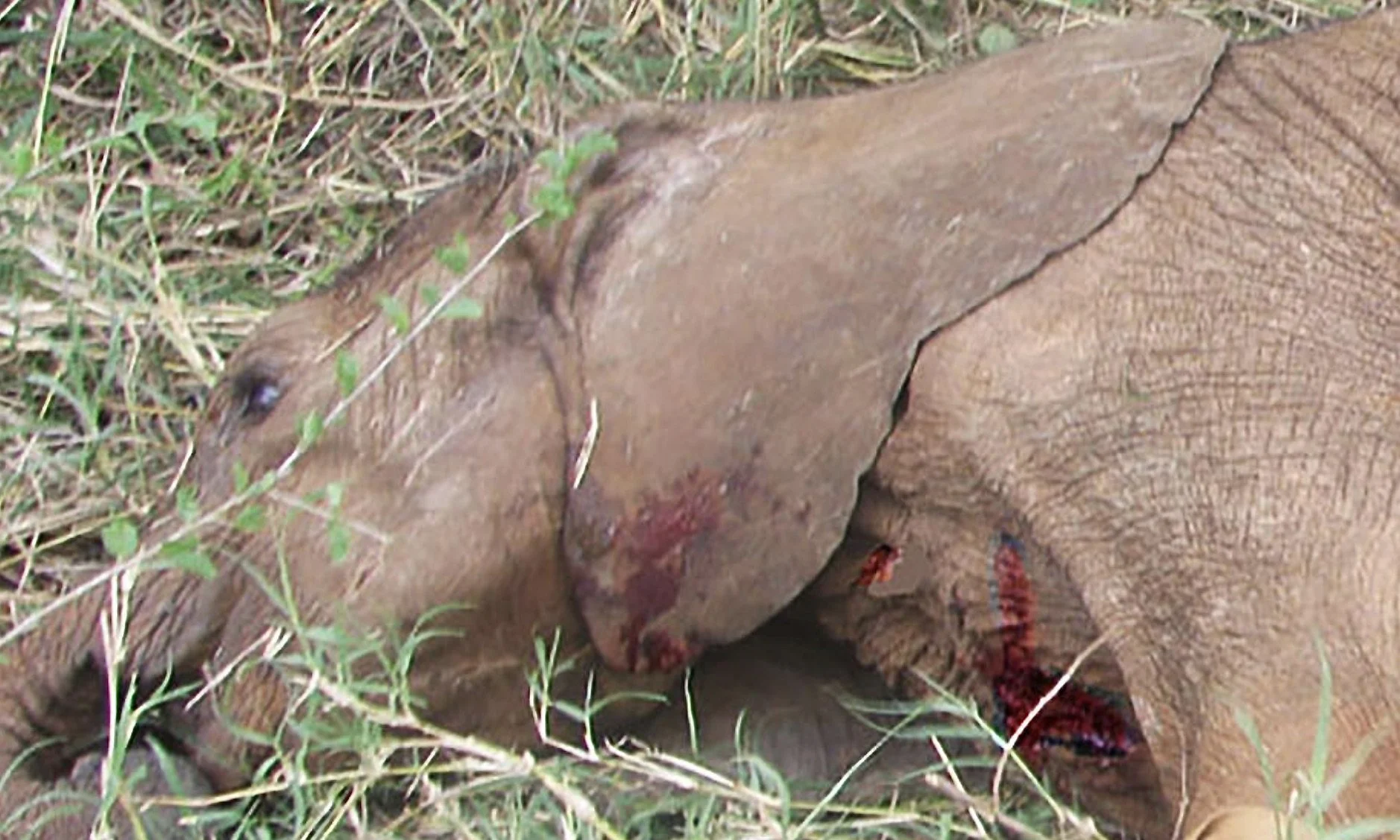
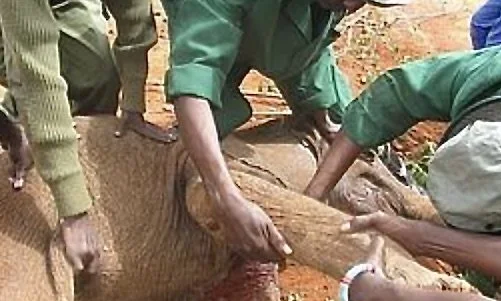
During her rescue, Ishanga was actively attacked by a lion. A Kenya Wildlife Service ranger had to fire shots in the air to force the lion to let go of her.
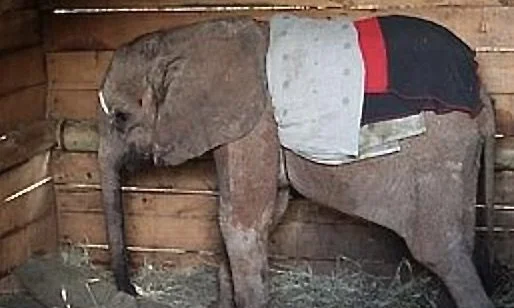
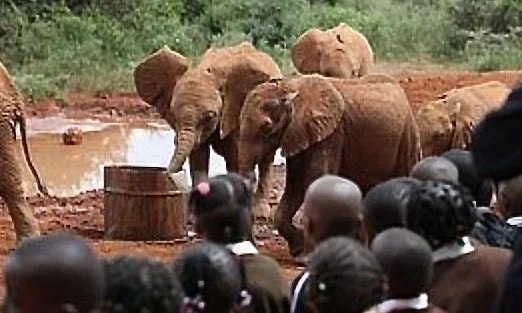
Haunted by physical wounds and suffering severe psychological trauma, Ishanga slowly healed at Sheldrick elephant orphanage in Nairobi National Park, the world’s only major national park on the doorstep — literally — of a major urban metropolis.
It was around this time, in early 2011, that, struck by her remarkable tale of survival against the odds, I was one of several visitors to co-sponsor her.
Ishanga transitioned from the Nairobi Nursery to the Ithumba Reintegration Unit in Tsavo East National Park in August 2012, now roughly two years old.
She was gradually integrated into a wild herd over the following couple of years.
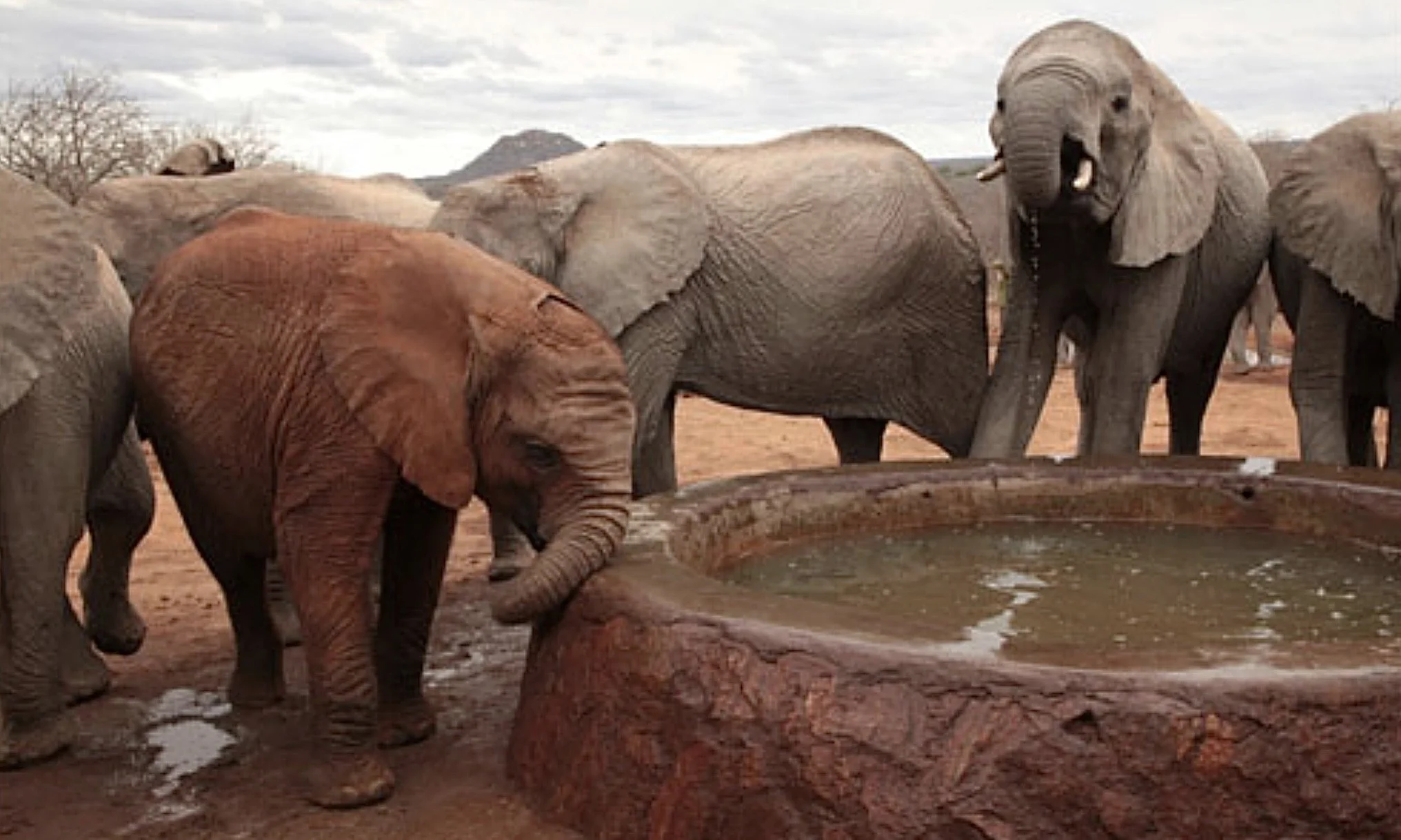
Eventually she became truly wild, and was occasionally spotted — though not often — among the wild herds that visit Ithumba on occasion, out of curiosity and to “meet” newly arrived orphans that Sheldrick’s minders hope to release back into the wild one day.
Years passed. Ishanga disappeared off the radar completely and her visits to Ithumba, already infrequent, stopped completely.
And then, a miracle. A minor miracle, it is true, but a miracle just the same.
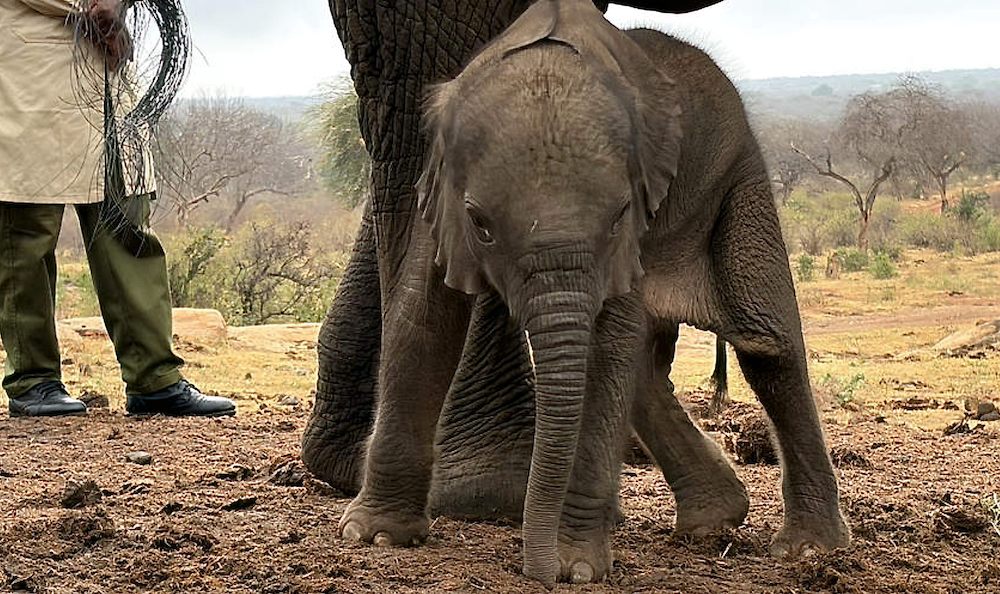
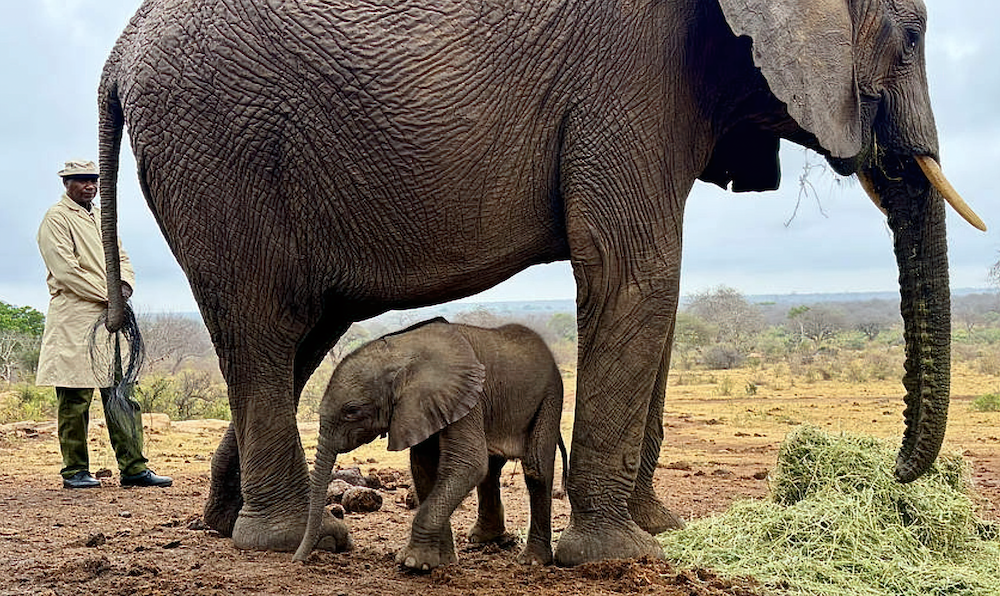
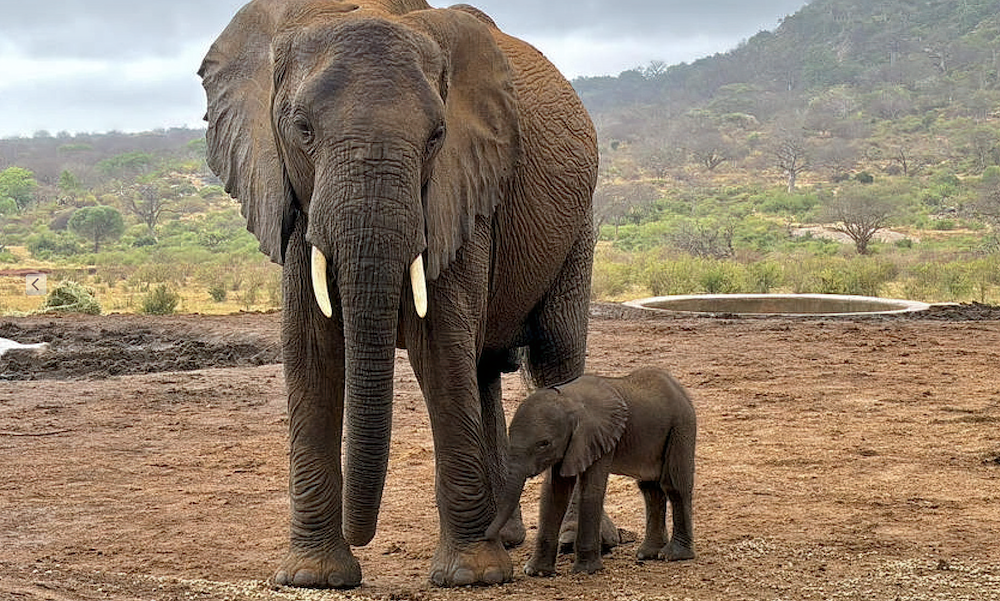
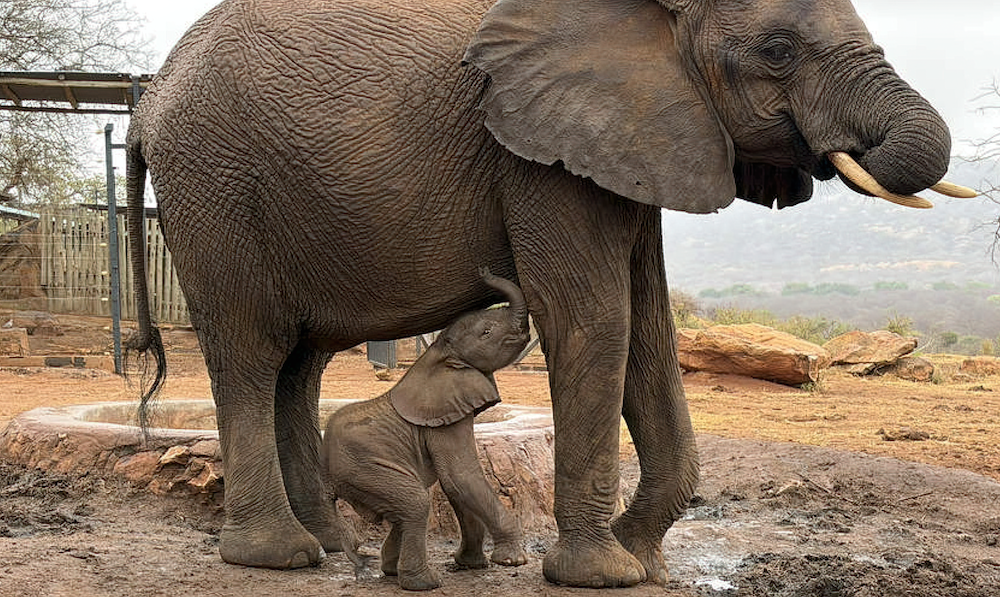
This past February, Ishanga returned to the Ithumba stockades with a baby in tow. “Imp,” as Sheldrick caretakers named her, was no more than a week old. She was named after her lively disposition and because she was born following unexpected early rains, her arrival likened to that of a mischievous little spirit, or ‘imp.’
Ishanga had returned to show off her new baby to her human caretakers, which may sound odd but is actually fairly common behaviour in rehabituated elephants.
Imp was a miracle baby in many respects, not just because her mom had defied the odds to survive in the first place. Imp was the 92nd wild-born “grand-calf” born to an elephant raised and rewilded by the Sheldrick Trust.
After feeding on Ithumba’s stocks of lucerne, a leafy green forage plant used as farm animal feed and more commonly known as alfalfa in Canada and the US, Ishanga headed back toward the nearby Kalovoto River, Imp in tow.
Few remarkable stories unfold without their share of heartbreak — that’s part of what makes them remarkable.
Just weeks later, on March 13, Ishanga returned to the Ithumba stockade alongside a large group of other ex-orphans.
Caretakers quickly noticed Imp was no longer following behind. Imp was never seen again.
Caretakers quickly noticed Imp was no longer following behind. Imp was never seen again.
Her cause of death is unknown. Whatever fate befell her happened deep in the wild during their weeks away from the stockades. In their eulogy, the Trust noted that “only the elephants can explain what happened.”
There is a silver lining to this tale, though, despite its seeming tragic ending.
Ishanga has been seen since, Ithumba caretakers have reported, and she appears happy and physicially well.
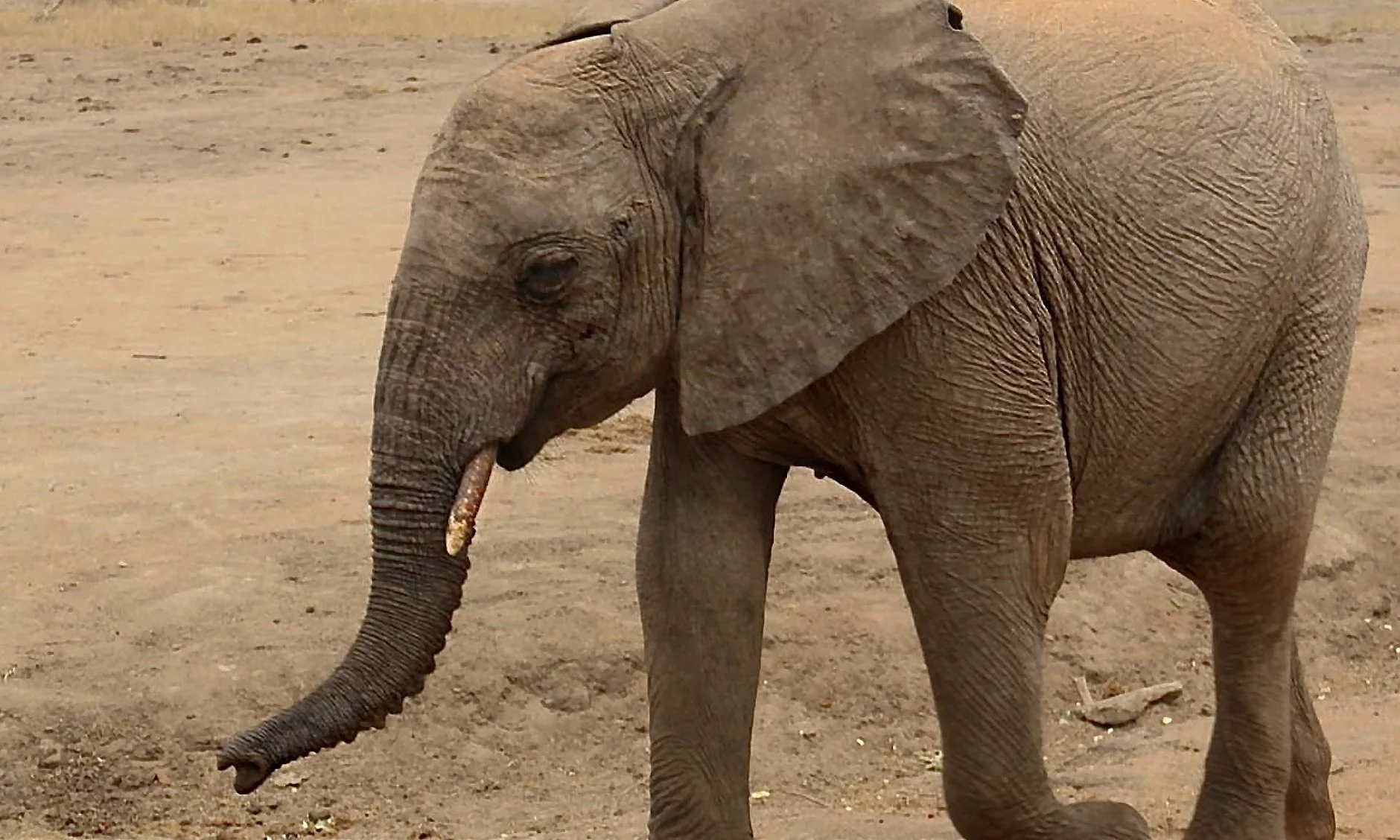
Judging from images taken at the time, she has grown to become a particularly large and self-confident elephant, despite her beginnings as a sickened, badly injured calf.
She will, in all likelihood, have more calves, and this time, as an experienced mother, she will be better adapted to raising them to adulthood.
In the meantime, according to caretaker reports, she has found comfort by helping fellow ex-orphans look after their own wild-born babies. She is showing every sign of being matriarch material — and that alone makes her story all the more remarkable.
Elephants are quiet keepers of secrets.
“The future alone whispers the answer.”
•
https://www.sheldrickwildlifetrust.org