
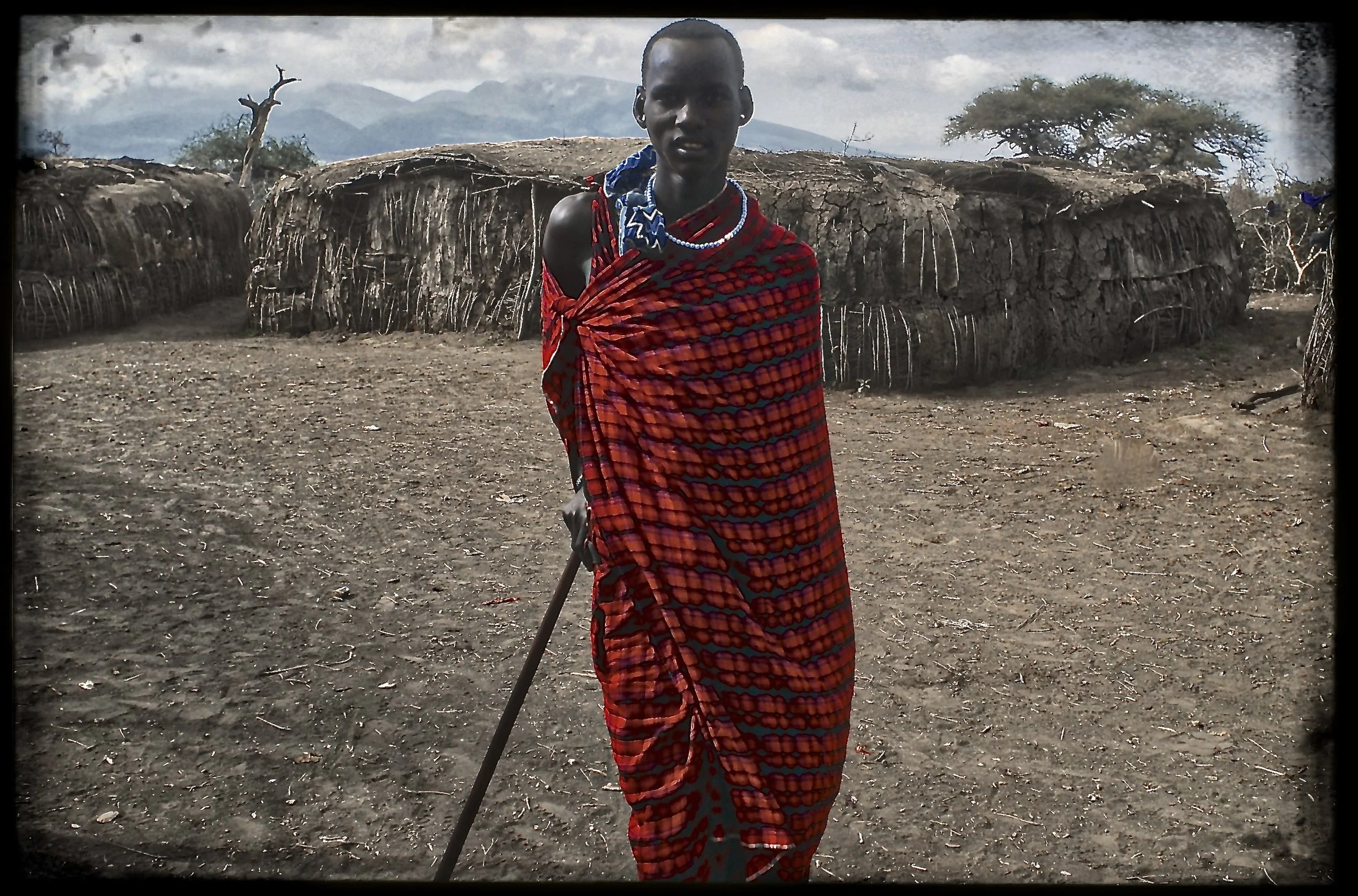
Indigenous Maasai face forced relocation from their ancestral lands in Tanzania’s Ngorongoro Conservation Area
It’s a story that has been quietly unfolding in Tanzania’s Ngorongoro Conservation Area since 2021, the year the UN Climate Working Group officially concluded that many of climate change’s impacts are now irreversible.
Given everything else going on in the world at the moment, it won’t surprise anyone — except those directly affected — that the story of indigenous pastoralists being forced off their ancestral lands in one of the world’s most pristine biodiversity hotspots has rated barely a mention in the world’s media. But there it is.
It’s a story worth following, though, a story that tell us who we are as a society, and a worrying sign of where humanity may be headed in the not too distant future.
Five years ago, Tanzania’s government initiated a large-scale tourism development project, in the name of conservation, in the Maasai’s traditional homelands surrounding Ngorongoro Crater, “the Eighth Wonder of the Natural World.”
Ngorongoro has been nicknamed “Africa’s Eden” — and rightly so — owing to its breathtaking views and year-round concentration of wildlife living in the sunken volcanic caldera.
Ngorongoro’s forest walls rise some more than 600 metres (2,000 feet) from the crater floor; the rim stands at an elevation of 1,800 m (7,500 ft) above sea level. The crater is the world’s largest inactive, unbroken, and unfilled caldera.
The crater floor spans some 260 km² (100 sq. mi). The crater walls, with their imposing 15°-17° vertical drop, act as a natural enclosure.
The crater floor is both home and refuge to a host of some of Africa’s most symbolic, enduring wild animals, from elephants, rhinos, lions, leopards and buffalo to wildebeest, zebras, hippos, giraffes and even the occasional cheetah.
The surrounding Ngorongoro Conservation Area (NCA) is a panoply of sloping hills and vales, surrounded by a wide expanse of highland plains, savannah, savannah woodlands, and forests that, during the rainy, green season, have been likened more to Ireland’s emerald green hills and vales than equatorial Africa.
The Conservation Area is home, too, to some 20,000 Maasai at last count, though the exact number is hard to pin down.
Maasai have been barred from grazing their cattle inside the crater itself since colonial times in the late 1950s; Maasai still living in the crater were moved out by force in the mid 1970s by Tanzanian paramilitary units, and again in 2018, to preserve the crater’s wildlife and natural ecology.
A recent UNESCO report noted that Maasai have since been restricted from allowing their livestock to enter surrounding craters in the area, such as Olmoti, Empakaai and Lake Ndutu basin, which borders Serengeti National Park to the west.
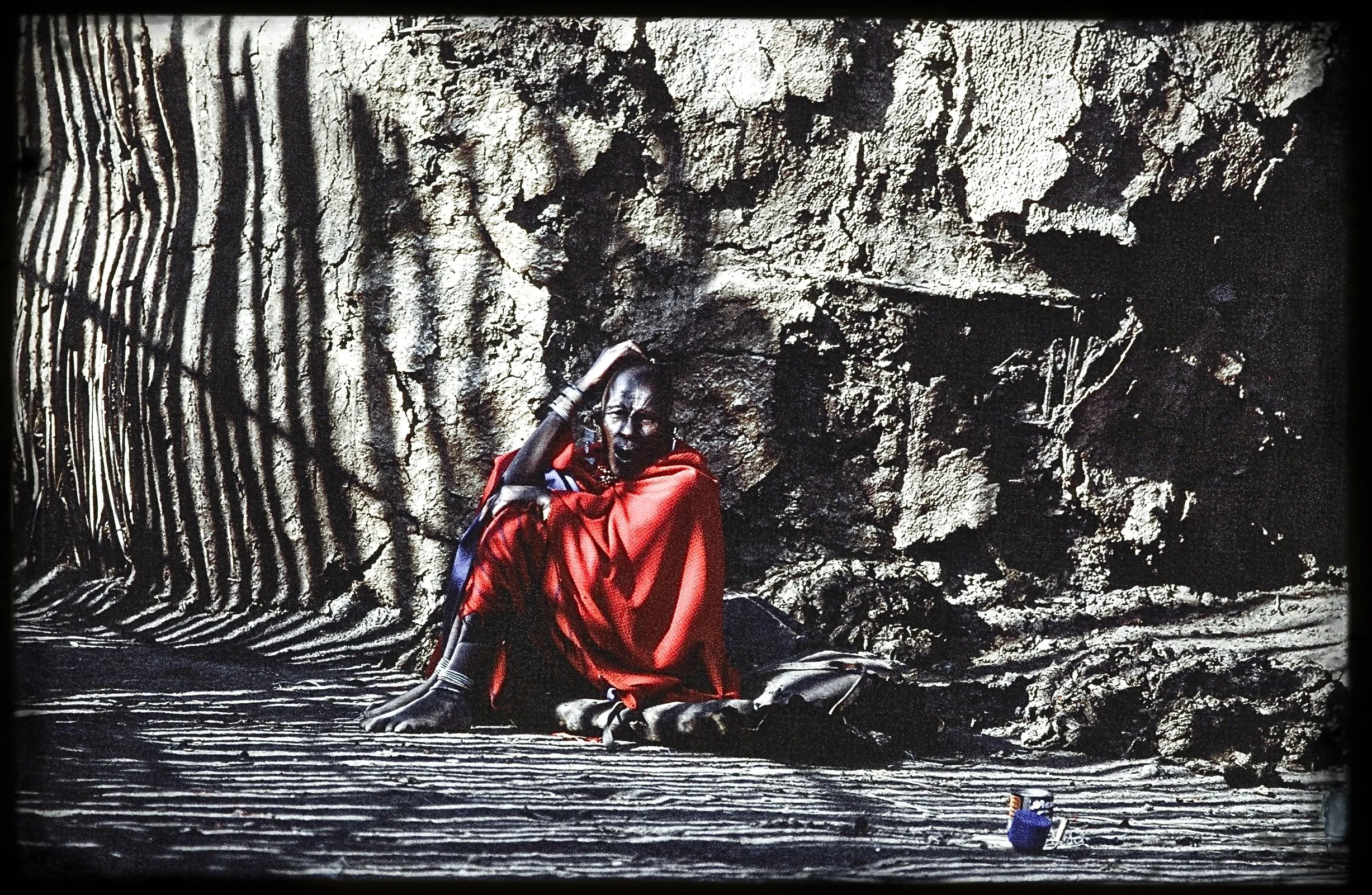
©Alex Strachan / Strachan Photography
Ngorongoro was established by British colonial authorities in 1959 as “a multiple land use area,” according to UNESCO, with wildlife “coexisting with semi-nomadic Maasai pastoralists practicing traditional livestock grazing.” (Ironically, Tanzania itself gained independence from Britain just two years later, in 1961.)
Ngorongoro Crater itself is of growing importance to global biodiversity, especially now, during these times of climate change and the growing threat of habitat loss and species extinction.
Humans have long lived in the area, early hominid footprints dating back 3.6 million years. The Maasai themselves are relatively new to the area, and have inhabited the Ngorongoro region for roughly the past 200 years.
Maasai villages, called bomas, crisscross the highlands surrounding the crater, but no longer in the crater itself, as we have seen.
To the Maasai, a boma or enkang is a social concept, not just a physical village, that helps unite families, homes, religious beliefs, and traditions. Without a written history, Maasai view bomas as part of their being and a symbolic record of their historical past, and not just a place to live.
The uneasy coexistence of cattle herds alongside wild predators, though, and the inevitable human-wildlife conflict that inevitably follows, has been a bone of contention for years.
With so many of Africa’s apex predators in the IUCN’s Red List of threatened and endangered species, the situation has never so fraught than it is right now.
Factor in the transmission of diseases from domestic animals, including dogs, to surrounding wild populations, and the challenge of maintaining an already fragile ecological balance is increasingly volatile.
Over the past two months, the Tanzanian government has ramped up plans to move Ngorongoro’s Maasai pastoralists to a planned village, Msomera, in the Tanga region, 600 km (370 m.) away.
The relocation programme has been described as voluntary, and includes a promise to provide housing, land and access to services, the environmental news site Down to Earth noted this past month.
“On paper, the offer appears substantia,” researchers wrote. “In practice, (however), it has faced significant criticism.”
The Tanzanian government said the move is necessary for conservation.
Naysayers say it has more to do with tourism, however, and the much needed foreign exchange tourism raises.
A substantial development project, designed to cater to the fast growing China-based tourism market, is the main driver behind the government’s decision, detractors say.
Tanzania’s government insists the move is needed to protect fragile ecosystems and reduce pressure on a globally significant landscape.
The Maasai see it as a loss of land rights and identity, part of a larger plan to move them off their ancestral lands once and for all.
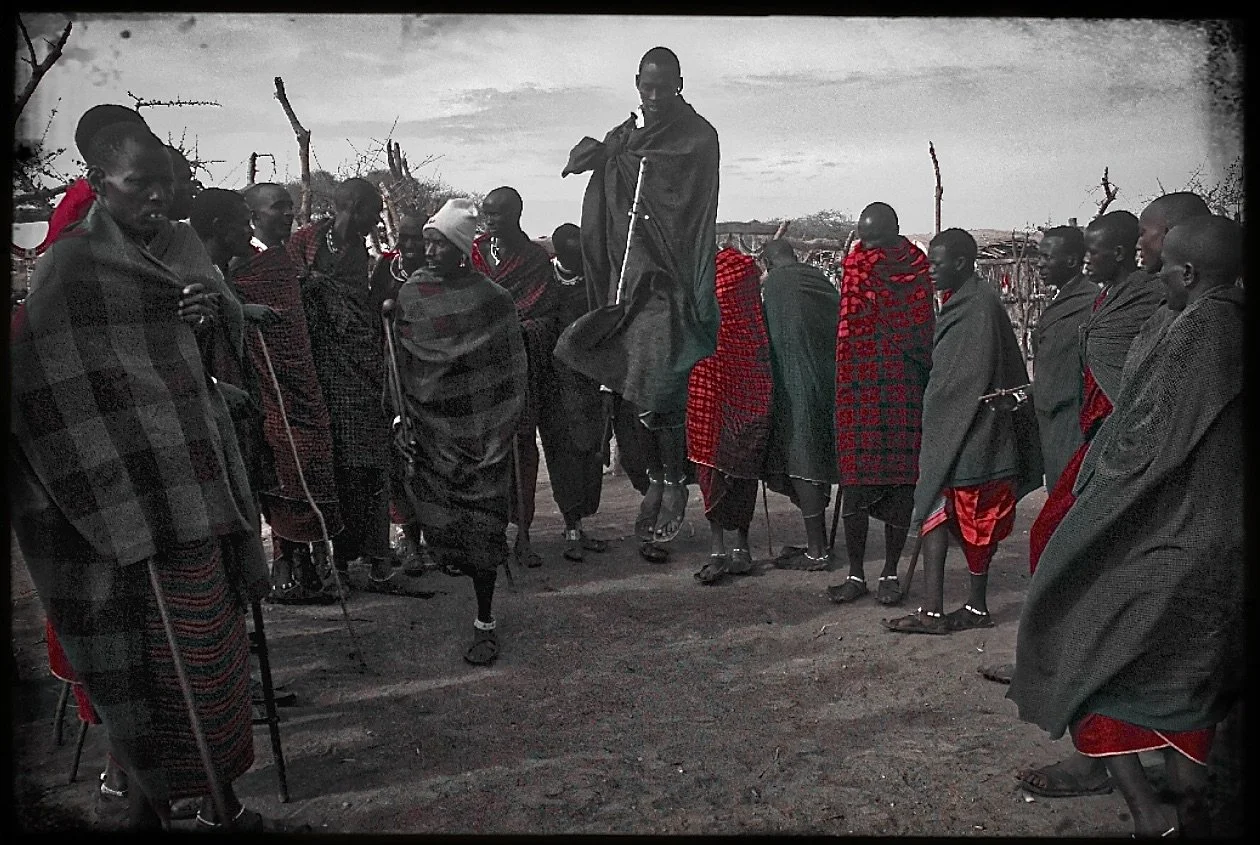
©Alex Strachan / Strachan Photography
Government officials point out in turn that, in 2026, the world is a different place, and a young, independent African nation state like Tanzania faces an increasingly uncertain future, environmentally and economically.
They need to tackle increasingly complex economic and environmental problems with a sober, clear-headed point of view, based on science, reason, and technology, not creation myths.
Critics argue that, in the end — as with most things — it comes down to money. Tourism has only scratched the surface in Africa’s wilderness areas, its boosters argue, and the fast-growing Chinese market — and fast-growing Chinese middle class — represent too good an opportunity to pass up.
Conservationists — some, but not all — counter that replacing the Maasai with mass tourism developments is hardly conducive to maintaining a stable environment and ecosystem. The Maasai, they say, have a point when they point out that they have coexisted with wildlife relatively peacefully for 200 years, having migrated into the area around the early 19th century.
Others note however — with no small amount of irony — that the Maasai themselves displaced prior pastoral groups like the Datoga.
“We are used to living with wild animals,” Maasai pastoralist Valerian Esuvat told Down to Earth last month.
“They want to take away our land as if we were never part of it.”
“A Maasai man is not meant to live in such a confined space, cut off from his cattle and his way of life,” a village elder told fellow villagers in Msomera, before leaving.
What comes next?
The future is cloudy. The Maasai point out that they have coexisted peacefully with wild animals since Enkai, the god of rain and thunder, created the universe, the earth, the sky, and all living creatures.
The Tanzanian government is insisting on moving ahead, however, citing good intentions and trusting in science and economics over tribal beliefs and religious traditions.
Detractors are dug in,. History has shown that indigenous people can be effective stewards of wildlife, academics at Yale University’s School of the Environment noted in the journal YaleEnvironment360, this past March.
“In Tanzania alone,” they wrote, “an area equal to seven Yellowstones (has been) managed for wildlife (for generations) by herders, farmers, and hunter-gatherers.”
It’s a new age, though, and the jury is out on whether mass tourism and conservation can co-exist in a world increasingly besieged by climate change and human population growth.
“We do not inherit the Earth from our ancestors,” goes an old Maasai saying. “We borrow it from our children.”
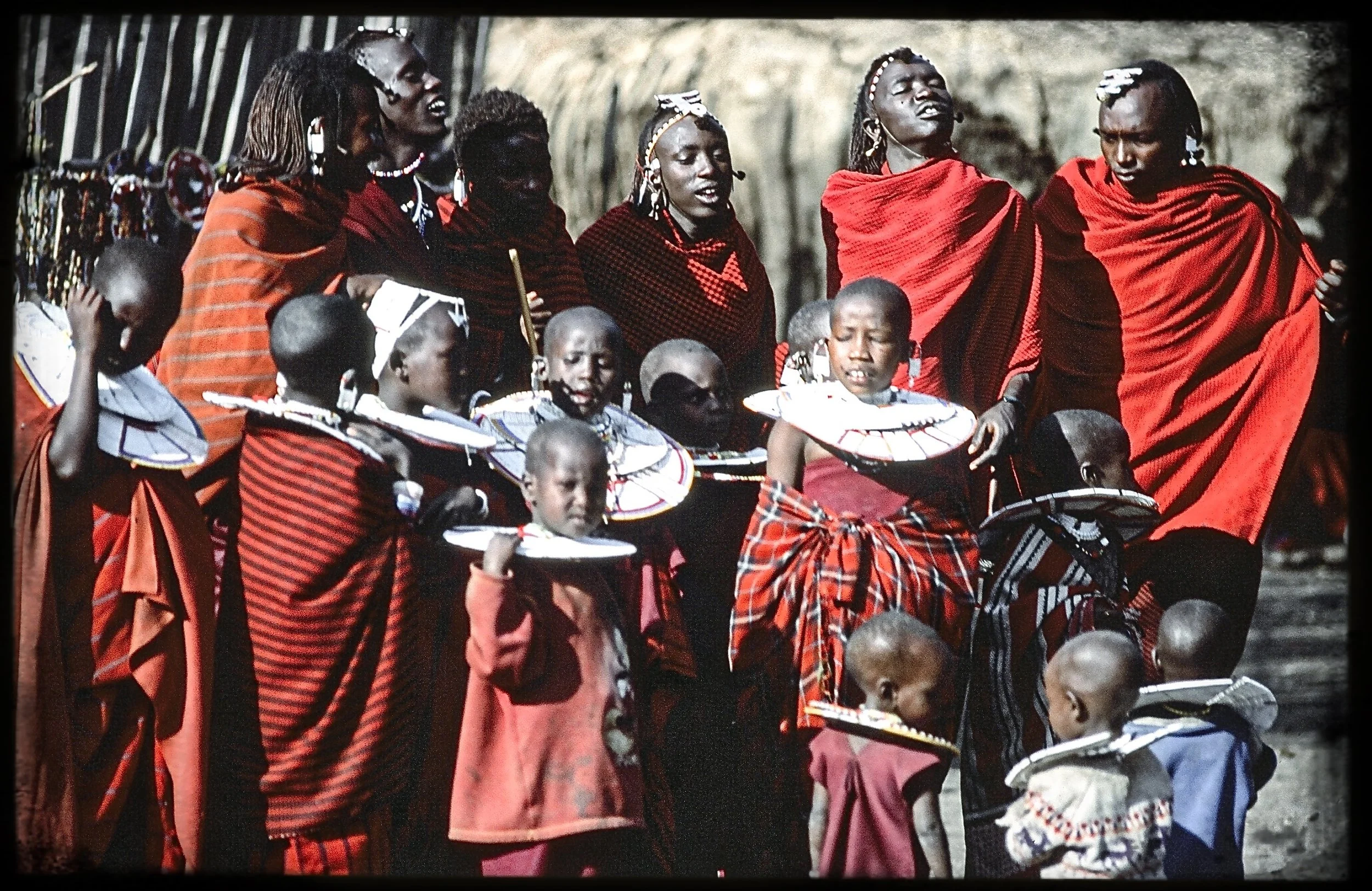
©Alex Strachan / Strachan Photography