• Camera Natura
  • Journal
  • Fotografica Africa
  • Maasai Enkai
  • Menu

Strachan Photography

  • Camera Natura
  • Journal
  • Fotografica Africa
  • Maasai Enkai

©Alex Strachan / Strachan Photography

“It’s Like Killing Culture"

May 21, 2026

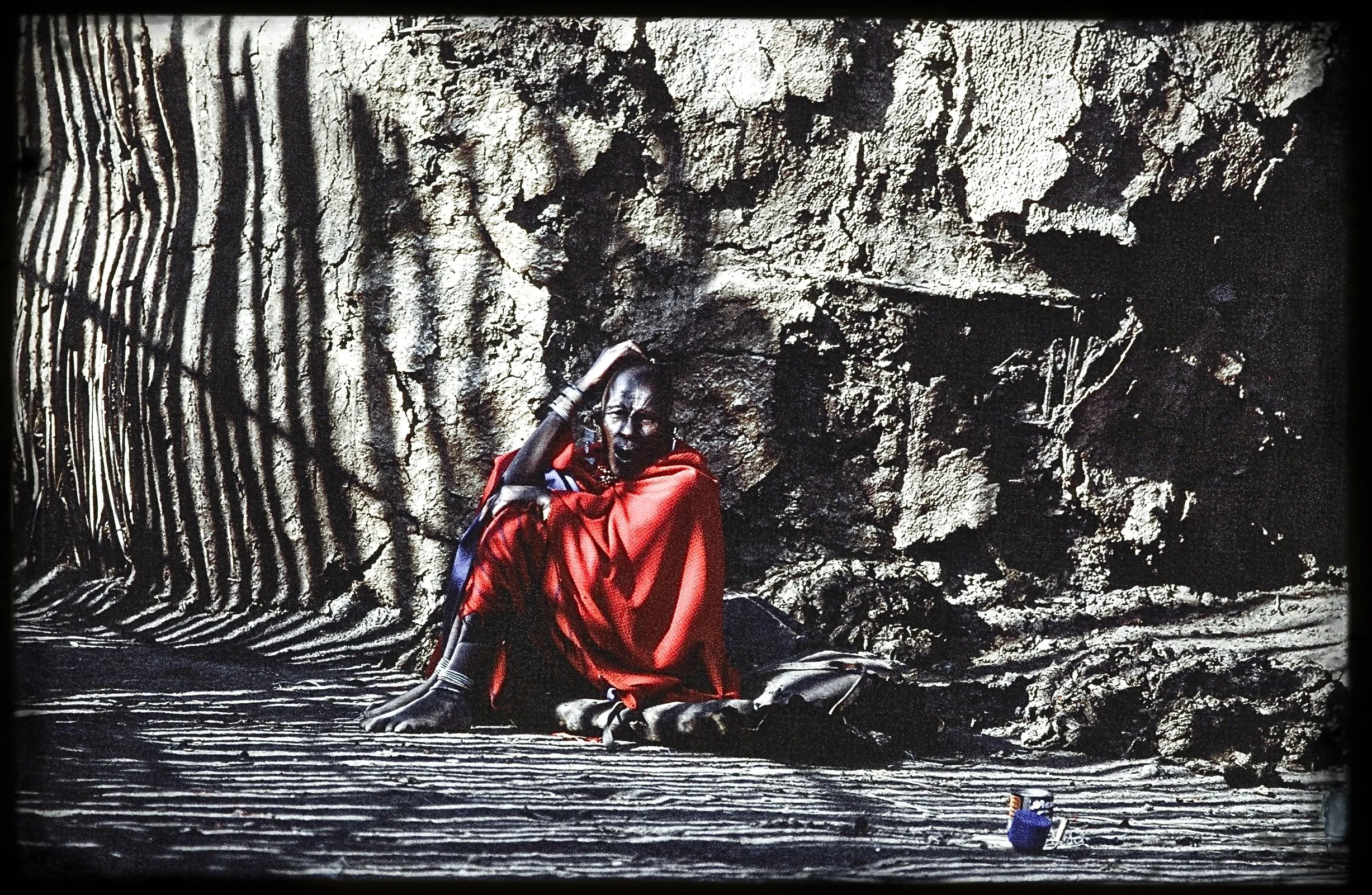
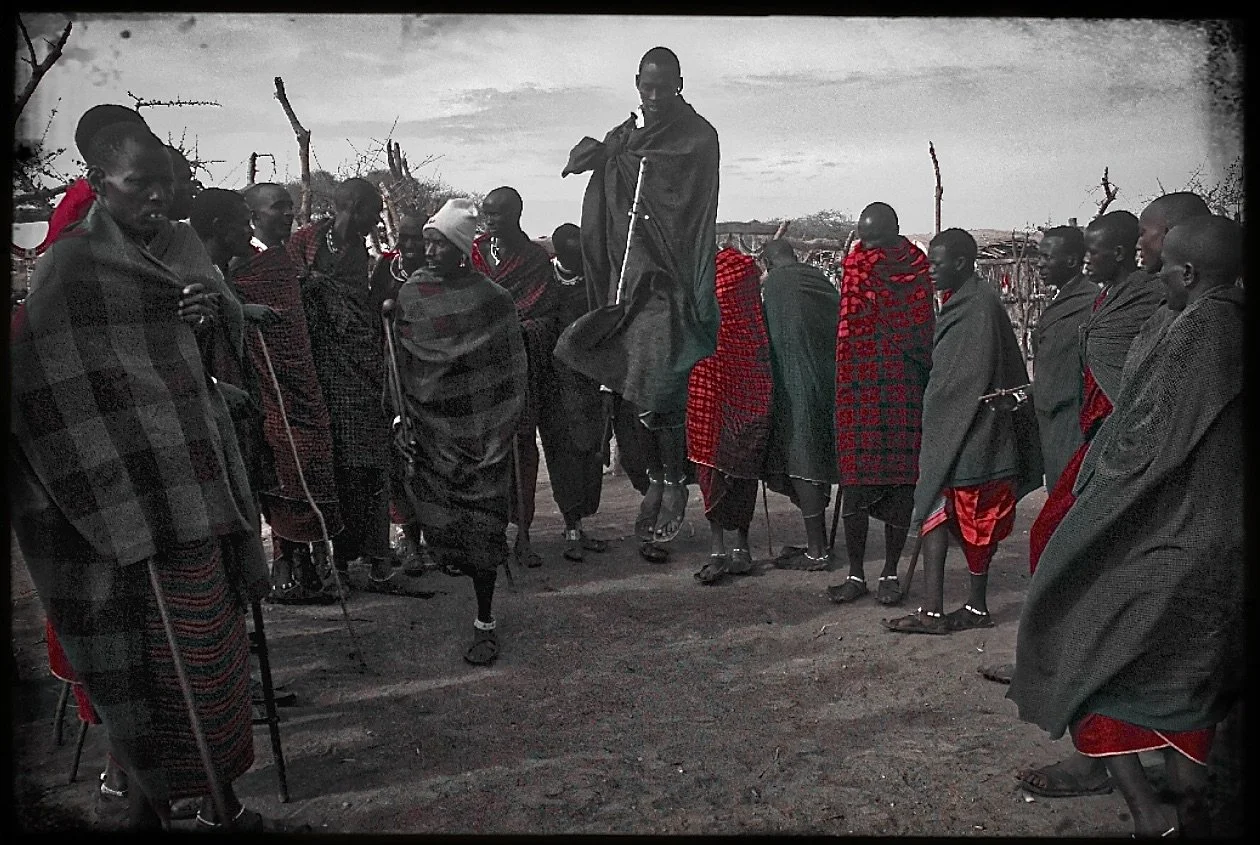
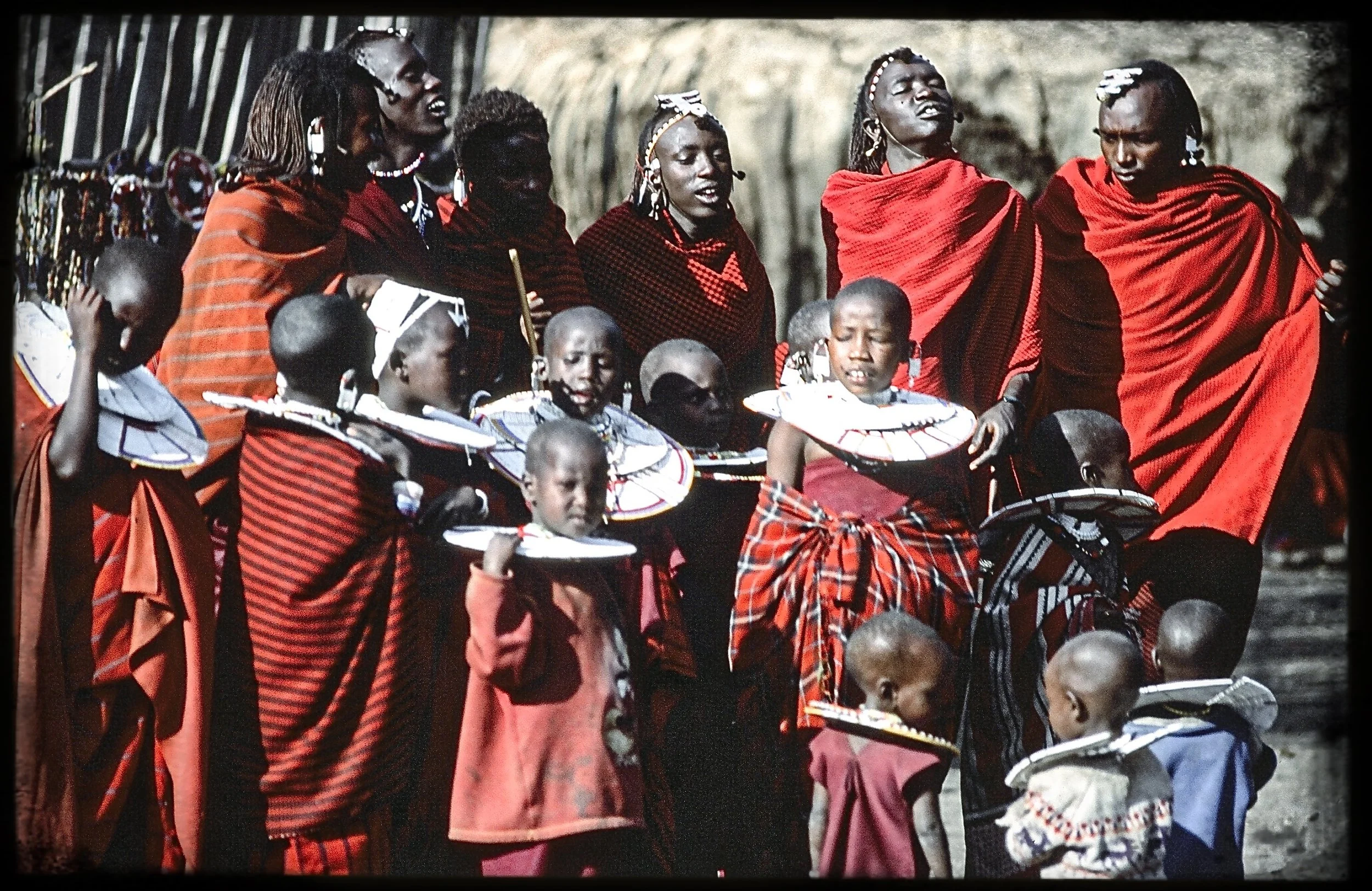
Indigenous Maasai face forced relocation from their ancestral lands in Tanzania’s Ngorongoro Conservation Area

It’s a story that has been quietly unfolding in Tanzania’s Ngorongoro Conservation Area since 2021, the year the UN Climate Working Group officially concluded that many of climate change’s impacts are now irreversible.

Given everything else going on in the world at the moment, it won’t surprise anyone — except those directly affected — that the story of indigenous pastoralists being forced off their ancestral lands in one of the world’s most pristine biodiversity hotspots has rated barely a mention in the world’s media. But there it is.

It’s a story worth following, though, a story that tell us who we are as a society, and a worrying sign of where humanity may be headed in the not too distant future.

Five years ago, Tanzania’s government initiated a large-scale tourism development project, in the name of conservation, in the Maasai’s traditional homelands surrounding Ngorongoro Crater, “the Eighth Wonder of the Natural World.”

Ngorongoro has been nicknamed “Africa’s Eden” — and rightly so — owing to its breathtaking views and year-round concentration of wildlife living in the sunken volcanic caldera.

Ngorongoro’s forest walls rise some more than 600 metres (2,000 feet) from the crater floor; the rim stands at an elevation of 1,800 m (7,500 ft) above sea level. The crater is the world’s largest inactive, unbroken, and unfilled caldera.

The crater floor spans some 260 km² (100 sq. mi). The crater walls, with their imposing 15°-17° vertical drop, act as a natural enclosure.

The crater floor is both home and refuge to a host of some of Africa’s most symbolic, enduring wild animals, from elephants, rhinos, lions, leopards and buffalo to wildebeest, zebras, hippos, giraffes and even the occasional cheetah.

The surrounding Ngorongoro Conservation Area (NCA) is a panoply of sloping hills and vales, surrounded by a wide expanse of highland plains, savannah, savannah woodlands, and forests that, during the rainy, green season, have been likened more to  Ireland’s emerald green hills and vales than equatorial Africa.

The Conservation Area is home, too, to some 20,000 Maasai at last count, though the exact number is hard to pin down.

Maasai have been barred from grazing their cattle inside the crater itself since colonial times in the late 1950s; Maasai still living in the crater were moved out by force in the mid 1970s by Tanzanian paramilitary units, and again in 2018, to preserve the crater’s wildlife and natural ecology.

A recent UNESCO report noted that Maasai have since been restricted from allowing their livestock to enter surrounding craters in the area, such as Olmoti, Empakaai and Lake Ndutu basin, which borders Serengeti National Park to the west.

©Alex Strachan / Strachan Photography

Ngorongoro was established by British colonial authorities in 1959 as “a multiple land use area,” according to UNESCO, with wildlife “coexisting with semi-nomadic Maasai pastoralists practicing traditional livestock grazing.” (Ironically, Tanzania itself gained independence from Britain just two years later, in 1961.)

Ngorongoro Crater itself is of growing importance to global biodiversity, especially now,  during these times of climate change and the growing threat of habitat loss and species extinction.

Humans have long lived in the area, early hominid footprints dating back 3.6 million years. The Maasai themselves are relatively new to the area, and have inhabited the Ngorongoro region for roughly the past 200 years.

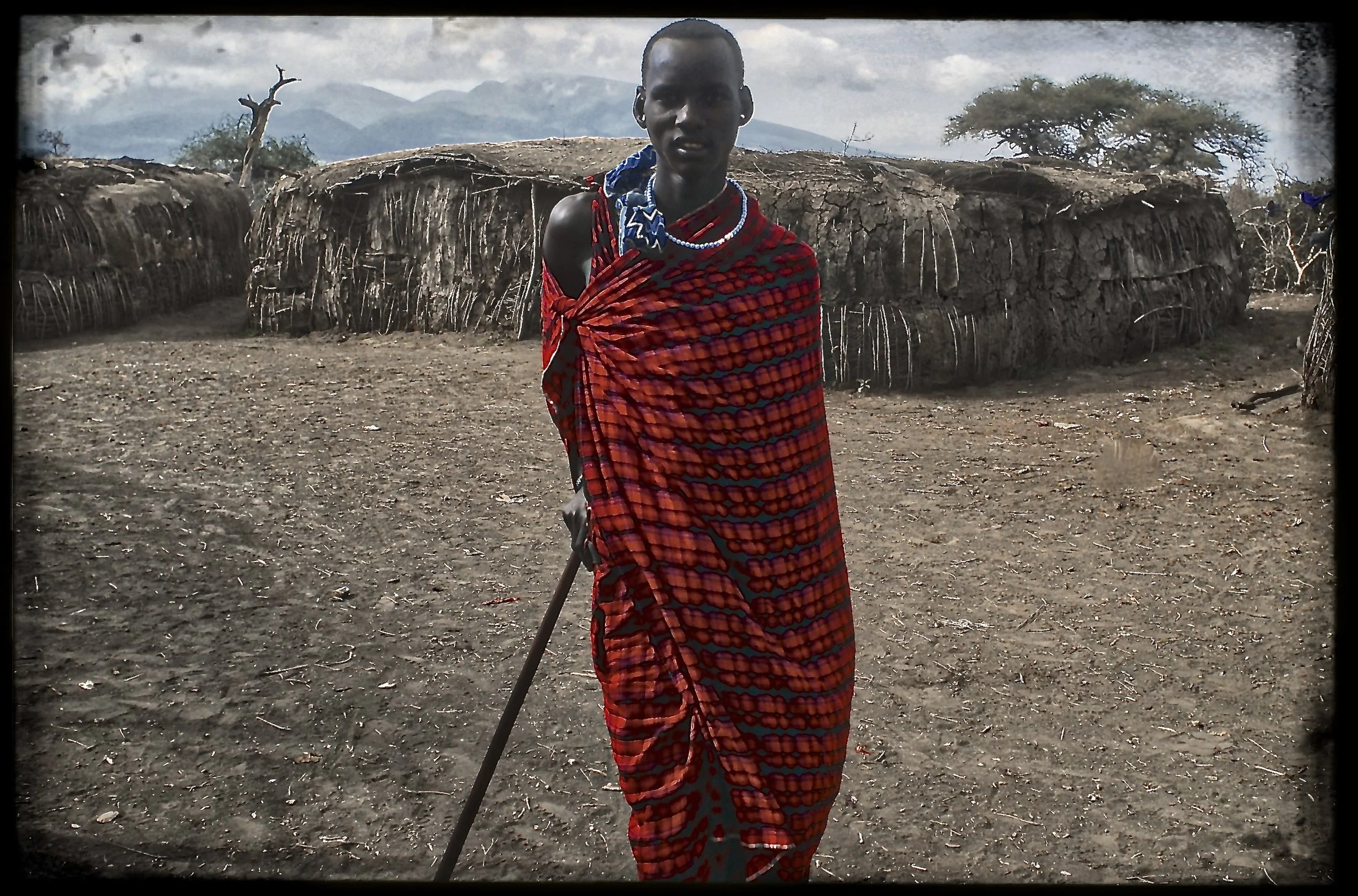
Maasai villages, called bomas, crisscross the highlands surrounding the crater, but no longer in the crater itself, as we have seen.

To the Maasai, a boma or enkang is a social concept, not just a physical village, that helps unite families, homes, religious beliefs, and traditions. Without a written history, Maasai view bomas as part of their being and a symbolic record of their historical  past, and not just a place to live.

The uneasy coexistence of cattle herds alongside wild predators, though, and the inevitable human-wildlife conflict that inevitably follows, has been a bone of contention for years.

With so many of Africa’s apex predators in the IUCN’s Red List of threatened and endangered species, the situation has never so fraught than it is right now.

Factor in the transmission of diseases from domestic animals, including dogs, to surrounding wild populations, and the challenge of maintaining an already fragile ecological balance is increasingly volatile.

Over the past two months, the Tanzanian government has ramped up plans to move Ngorongoro’s Maasai pastoralists to a planned village, Msomera, in the Tanga region,  600 km (370 m.) away.

The relocation programme has been described as voluntary, and includes a promise to provide housing, land and access to services, the environmental news site Down to Earth noted this past month.

“On paper, the offer appears substantia,” researchers wrote. “In practice, (however), it has faced significant criticism.”

The Tanzanian government said the move is necessary for conservation.

Naysayers say it has more to do with tourism, however, and the much needed foreign exchange tourism raises.

A substantial development project, designed to cater to the fast growing China-based tourism market, is the main driver behind the government’s decision, detractors say.

Tanzania’s government insists the move is needed to protect fragile ecosystems and reduce pressure on a globally significant landscape.

The Maasai see it as a loss of land rights and identity, part of a larger plan to move them off their ancestral lands once and for all.

©Alex Strachan / Strachan Photography

Government officials point out in turn that, in 2026, the world is a different place, and a young, independent African nation state like Tanzania faces an increasingly uncertain future, environmentally and economically.

They need to tackle increasingly complex economic and environmental problems with a sober, clear-headed point of view, based on science, reason, and technology, not creation myths.

Critics argue that, in the end — as with most things — it comes down to money. Tourism has only scratched the surface in Africa’s wilderness areas, its boosters argue, and the fast-growing Chinese market — and fast-growing Chinese middle class — represent too good an opportunity to pass up.

Conservationists — some, but not all — counter that replacing the Maasai with mass tourism developments is hardly conducive to maintaining a stable environment and ecosystem. The Maasai, they say, have a point when they point out that they have coexisted with wildlife relatively peacefully for 200 years, having migrated into the area around the early 19th century.

Others note however — with no small amount of irony — that the Maasai themselves displaced prior pastoral groups like the Datoga.

“We are used to living with wild animals,” Maasai pastoralist Valerian Esuvat told Down to Earth last month.

“They want to take away our land as if we were never part of it.”

“A Maasai man is not meant to live in such a confined space, cut off from his cattle and his way of life,” a village elder told fellow villagers in Msomera, before leaving.

What comes next?

The future is cloudy. The Maasai point out that they have coexisted peacefully with wild animals since Enkai, the god of rain and thunder, created the universe, the earth, the sky, and all living creatures.

The Tanzanian government is insisting on moving ahead, however, citing good intentions and trusting in science and economics over tribal beliefs and religious traditions.

Detractors are dug in,. History has shown that indigenous people can be effective stewards of wildlife, academics at Yale University’s School of the Environment noted in the journal YaleEnvironment360, this past March.

“In Tanzania alone,” they wrote, “an area equal to seven Yellowstones (has been)  managed for wildlife (for generations) by herders, farmers, and hunter-gatherers.”

It’s a new age, though, and the jury is out on whether mass tourism and conservation can co-exist in a world increasingly besieged by climate change and human population growth.

“We do not inherit the Earth from our ancestors,” goes an old Maasai saying. “We borrow it from our children.”


https://whc.unesco.org/en/list/39/

https://www.downtoearth.org.in/africa/maasai-displacement-fears-grow-as-tanzania-moves-to-reshape-ngorongoro

https://e360.yale.edu/digest/tanzania-maasai-evictions

https://ccs-ng.org/breathing-new-life-into-tanzanias-ngorongoro-lengai-geopark/

©Alex Strachan / Strachan Photography


Tags: Maasai, enkai, enkang, Datoga, Dorobo, Ngorongoro, Ngorogoro Conservation Area, indigenous, forced re, forced relocation, Ngorongoro Crater, Tanzania, UNESCO, Serengeti, Serengeti National Park, colonialism, IUCN, boma, Red List, threatened species, endangered species, human-wildlife conflict, Msomera, biodiversity, biodiversity hotspot, China, tourism, Yale University, YaleEnvironment360, Yale University School of the Environment, Lengai Geopark, Lake Ndutu

©BBC/David Attenborough

A Centenary for the Ages

May 07, 2026

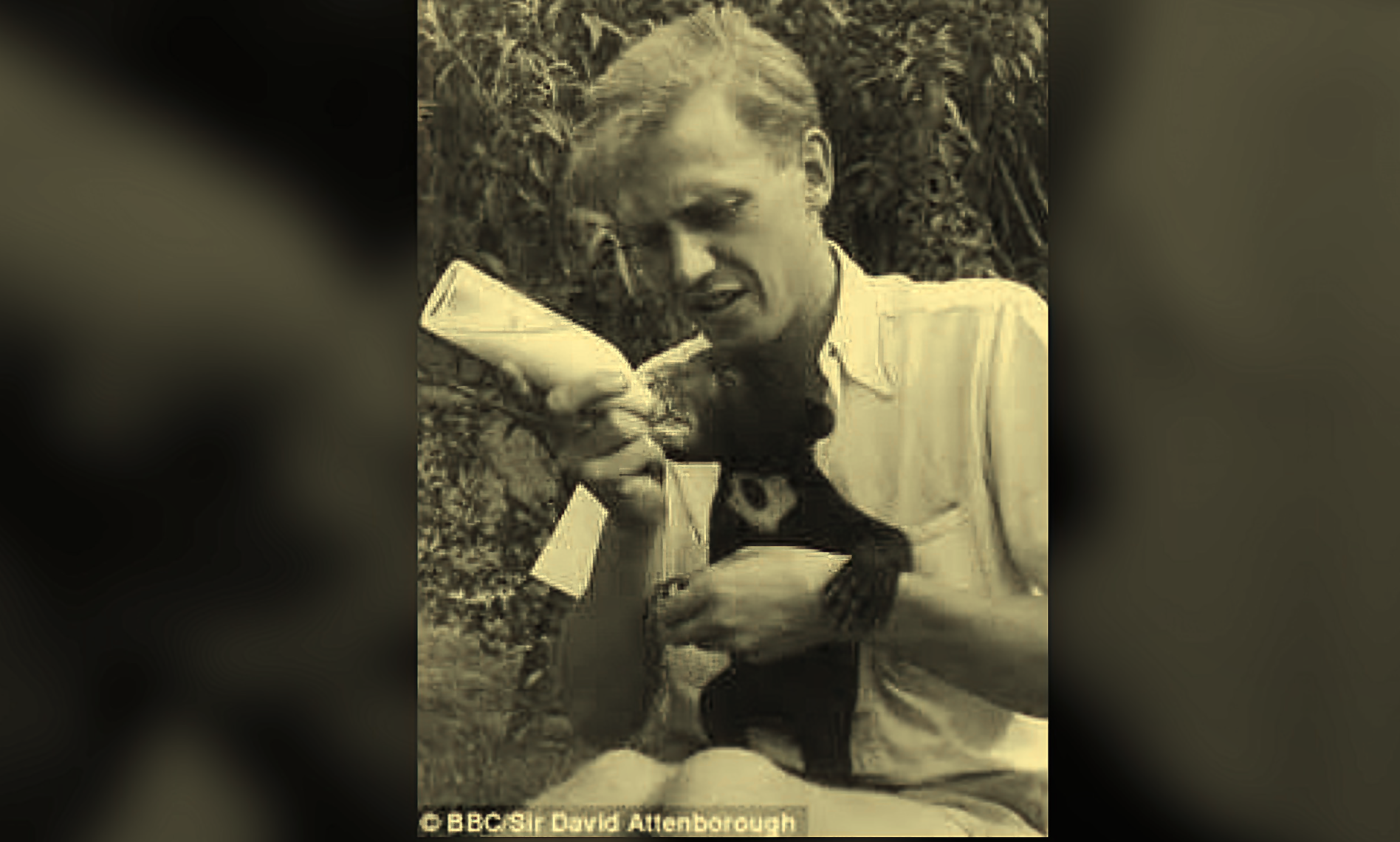
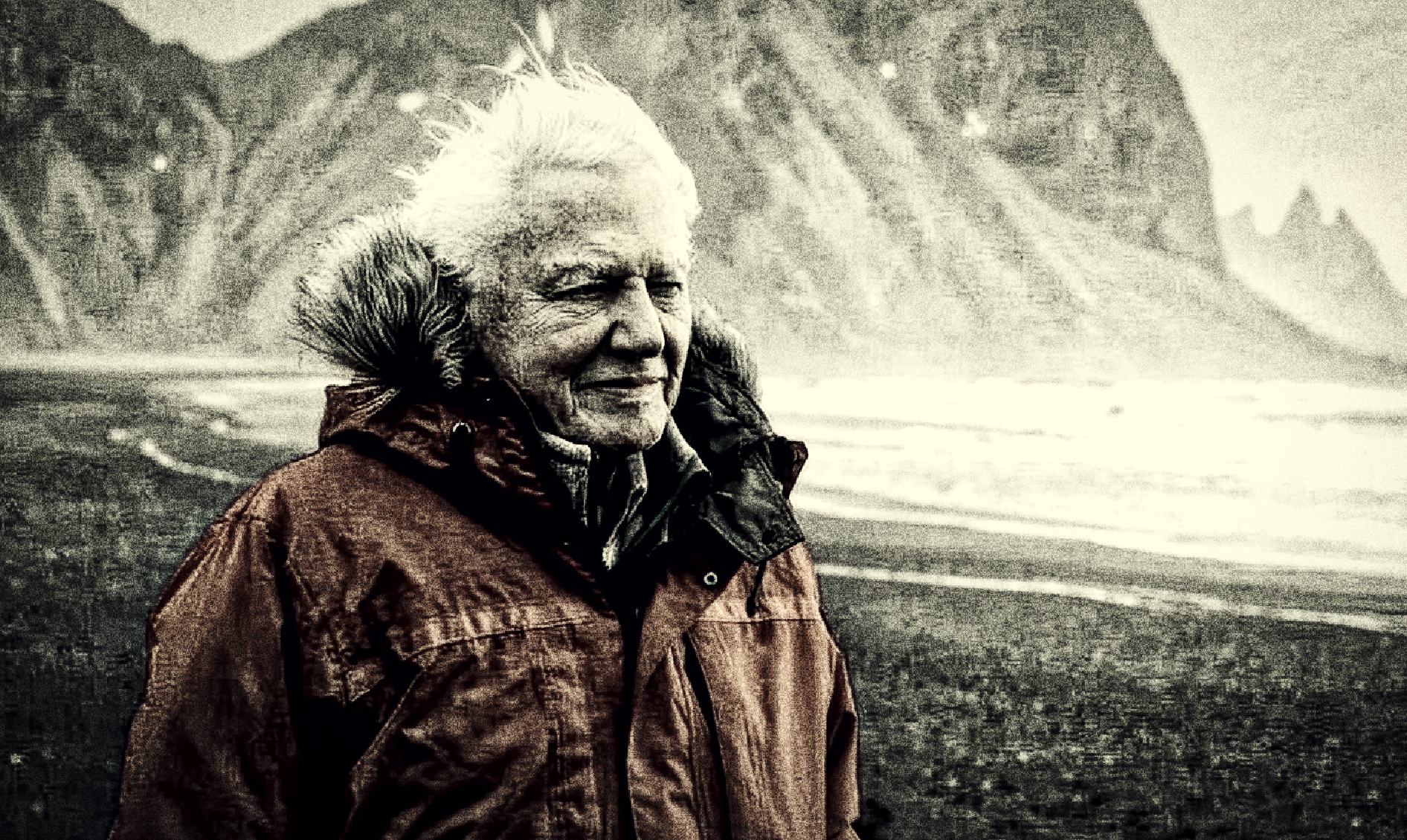
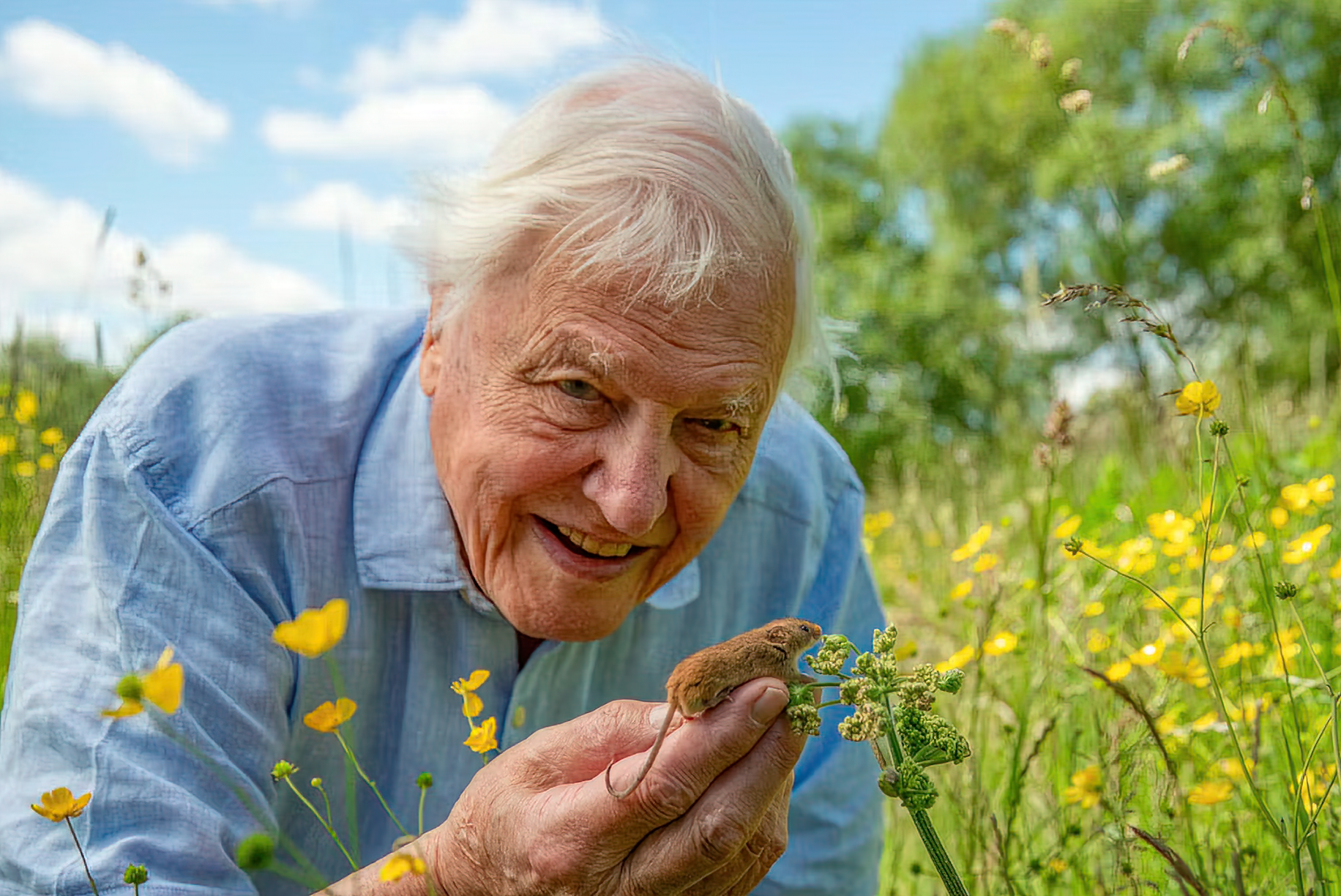
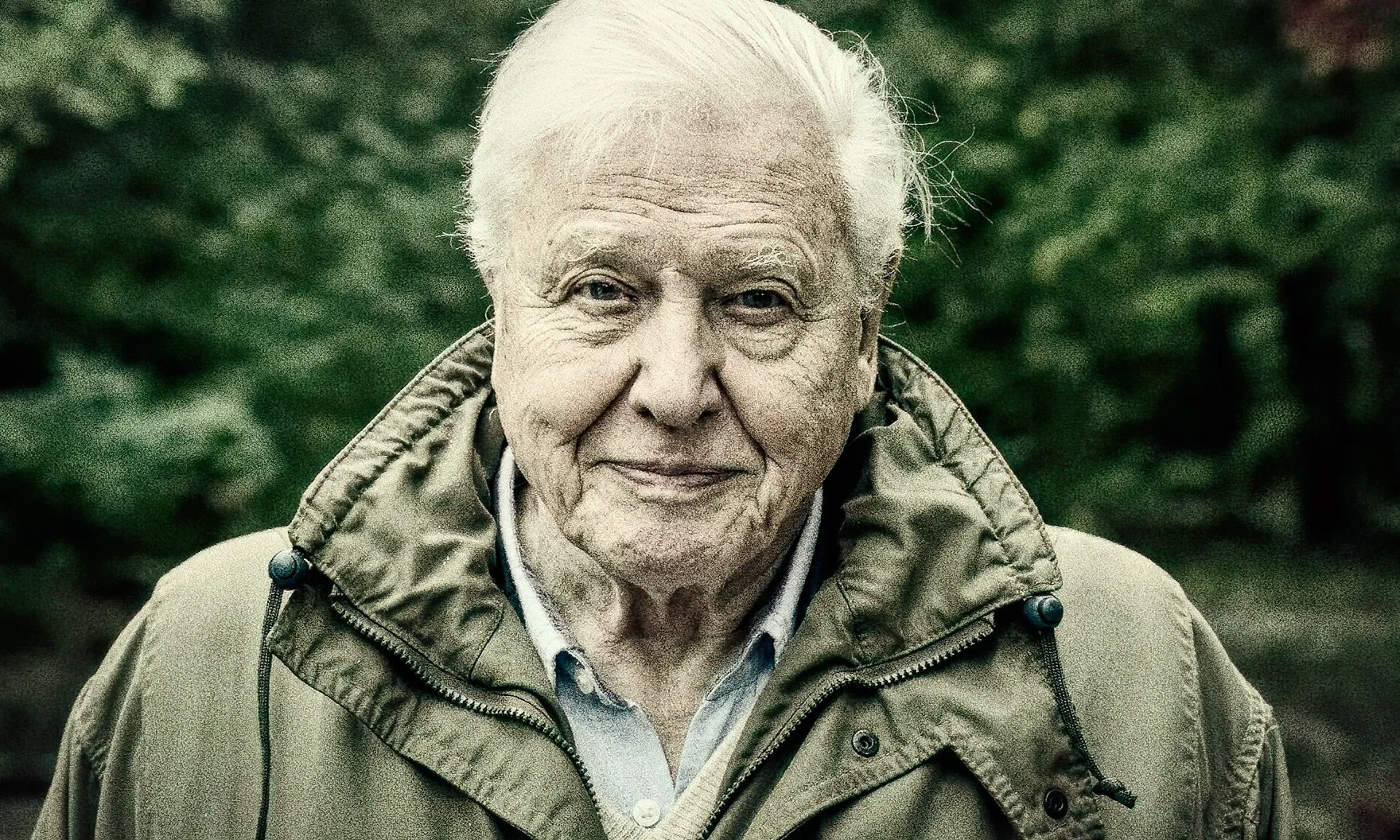
As David Attenborough turns 100, our planet faces an uncertain future. It was ever thus — but he’d be the first to tell you that’s no reason to give up. Not now. Now, we need hope, and action, more than ever.

Just so.

“I have had the most extraordinary life,” David Attenborough said in his self-described witness statement for filmmaker Jonnie Hughes’ A Life on Our Planet, recorded in May 2018, on the occasion of the natural historian's 92nd birthday. “It’s only now that I appreciate just how extraordinary.”

He could not have known it then, but even something as seemingly simple and straightforward as a documentary film based on his life of exploring natural history and sharing what he found with an eager, appreciative global audience, would find itself being buffeted by the the capricious whims of fate. A Life on Our Planet was supposed to be released in theatres in April 2020, a week in advance of Earth Day.

And then COVID-19 happened.

Uncertainty reigned. In an eerie reflection of Attenborough’s lifelong concern with the environment, burgeoning world population, rising levels of carbon dioxide in the atmosphere, and the human-made forces threatening to tear apart what's left of the wilderness, there is not a single life on the planet that COVID did not touch in some way.

Mass vaccination campaigns and hybrid immunity reduced the severity of cases over time, even as the virus evolved to become more contagious but less severe. It could just as easily have gone the other way.

Today, the emergency phase may have been consigned to recent memory — but the virus itself continues to be circulate globally and is still being monitored.

As it was, A Life on Our Planet finally saw light of day in theatres in September of the COVID year; a month later, it made its streaming debut on Netflix.

There is a special irony that A Life on Our Planet opens in Chernobyl, as it was in 2018, in Pripyat inside Chernobyl’s Exclusion Zone, a ghost city frozen in time, 40 years after the 1986 disaster.

Ruined schools and apartment blocks are overgrown with trees; a rusting Ferris wheel, a symbol of the abandoned, silent urbanscape, lies at the heart of the abandoned city, both sentinel and silent reminder.

Wolves and other wildlife roam through the forest — for them, life goes on. Hidden secrets remain: do not think the radiation has somehow miraculously vanished. Long-lived isotopes like plutonium-239 will remain for thousands more years, though it is believed some areas will be safe for human habitation in another 300 years, give or take, as isotopes like Caesium-137 and Strontium-90 decay.

A handful of areas are safe for short-term visits — Attenborough survived it after all — but other areas will remain contaminated for 20,000 years, possibly more.

©BBC/David Attenborough

Chernobyl’s lessons have not been learned, though. War in Ukraine has seen to that…

Today, as Attenborough turns 100, he will have time enough to once again reflect on a life lived, and the world's prospects for a safe, green future. That future looks bleak indeed, right now, on 8 May 2026.

I didn’t intend this piece to be a hagiography. There will be plenty enough of those … and by better scribes — and deeper thinkers — than I. After all, there have been few public figures more admired and appreciated than this soft-spoken man born in Isleworth, West London, on 8 May 1926.

Still, even so, his life bears closer scrutiny, just the same.

Over the course of a lifetime he has given voice to those creatures unable to speak for themselves. He has touched people on a global scale precisely because because he is neither strident nor a shouter. He is soft-spoken on the screen, a whisperer, a gentle advocate for nature. with nothing to sell but his passion for the natural world.

His enthusiasm for nature is real, genuine, authentic, palpable, without the cynicism and condescension that makes so many other environmental messengers appear insufferable by comparison.

The “Attenborough Voice" is calm, soothing — never shrill or hectoring. Intimate. Singular. Unmistakable. Distinctive. His voice is a comforting presence for millions, even as the world around us appears to be unravelling.

He has that rare, unique ability to bridge the divide between science and entertainment. He speaks to everyone, not just a select few.

As a storyteller he is unmatched.

His work in television has been described as “reality TV for realists” but in truth there is do much more to it than that.

He is marked by his seeming humility. He comes across as gentle and kind; his focus is on the subject and never himself. It’s never about him. It has never been about him.

During these later stages of his career, he has become more outspoken on issues to do with climate change, overpopulation, biodiversity loss, and the damage we are doing to ourselves.

He has stayed this course, even as his critics — and they are legion — insist that he came to these realizations too late, that he could have done so much more, put his platform — and the massive global following that platform accrued — to better use.

The naysayers fail to see that he achieved what no others before him had done, which was to make people care about nature, and care passionately, whereas before they might not have given it a second thought.

He worries now. He worries terribly. For his entire life he has been a champion for the planet, and for the wild beings that inhabit it. A beacon of hope for millions.


©BBC Studios/Alex Board

His focus, starting with Coelacanth in 1952 and working through to A Secret Garden in 2026, has been to inspire others to action.

It has not always been easy, though, and he has not been immune to self-doubt.

In a private, personal admission to his good friend Jane Goodall — as later recounted by Goodall herself — Attenborough admitted to feeling increasingly overwhelmed by the state of the planet. He felt a growing despair for the future. He wondered if he had done enough.

Goodall told him that he judged himself too harshly, She told him that his singular achievement was in uniting the planet through his passion, giving untold millions a cause they could believe in, a cause rooted in hope, as she herself tried to do with her book Reason for Hope, and her Roots & Shoots advocacy program for young people.

The secret, she told him, was — and still is — in spurring others to action.

Jane Goodall passed in October of this past year, and the world feels her loss keenly. We live in the world, and the world is thus.

If I have strayed too close to hagiography, I am sorry. That was not my intention. Sometimes, though, we must simply accept the natural order of things. Do we live in the world thus, or this have we made the world?

The last word, as seems only fitting, belongs to Attenborough, from his witness statement in A Life on Our Planet:

“We have come as far as we have because we are the cleverest creatures to have ever lived on Earth … but if we are to continue to exist, we will require more than intelligence. We will require wisdom.

“We often talk of saving the planet, but the truth is that we must do these things to save ourselves.”

There was more.

“We live our comfortable lives in the shadow of a disaster of our own making. That disaster is being brought about by the very things that allow us to live our comfortable lives …

“We humans, alone on Earth, are powerful enough to create worlds, and then destroy them.

“The next few decades represent a final opportunity to build a stable home for ourselves and restore the rich, healthy and wonderful world that we inherited from our distant ancestors. All we require is the will.

“Our future on the planet, the only place as far as we know where life of any kind exists, is at stake.“

Just so.

©BBC-Passion Planet/Joe Loncraine

©Netflix


Tags: David Attenborough, A Life on Our Planet, 100th birthday, centenary, BBC, BBC Natural History Unit, BBC Earth, Planet Earth, witness statement, Chernobyl, Pripyat, Covid, COVID-19, Chernobyl Exclusion Zone, Isleworth, Natural History Museum, Netflix

©Love Kate’s

David Attenborough Curiosities

May 07, 2026

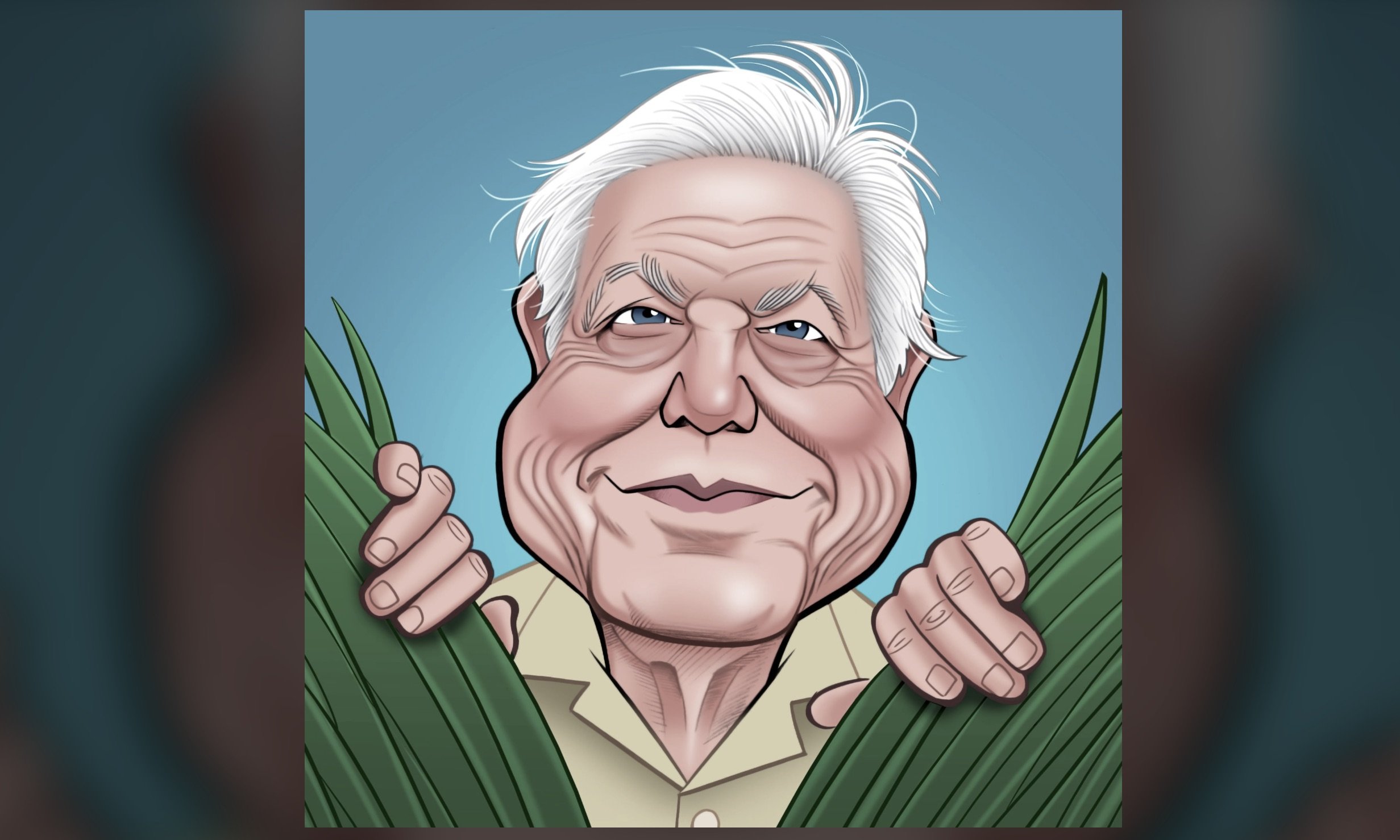
Little-known facts about Sir David Attenborough — aka factoids, as hard-bitten journos know them.

And now this …

On the occasion of Sir David Attenborough's 100th birthday:

• David Attenborough hates crowds. He finds being surrounded by masses of people to be intimidating, if not downright unpleasant.

To wit: “I hate crowds … people being hysterical about anything, whether it’s a football match or a national celebration. Because they aren’t rational. A football crowd can be very frightening.”

A million+ wildebeest on their annual migration, on the other hand …

• He was rejected for his first job at the BBC. The Beeb found his handwritten 1951 application as a radio producer to be … wanting. This was before A.I.

• He doesn’t own a car. He never passed his drivers’ test.

• He holds more than 30 university degrees, most of those honorary, from institutions as noteworthy as Cambridge (Natural Sciences, geology and zoology) and Oxford (honorary, Doctor of Philosophy) to the more improbable for a lifelong scholar of the natural world: the London School of Economics (a postgraduate degree in social anthropology), shortly before he was appointed Controller of BBC 2 in 1965.

• He is the only television presenter to have won British Film and Television Awards (BAFTA) for programs in black and white, colour, HD, and 3D. It’s a TV thing.

• He is not fond of rats.

During a stay in a thatched hut in the Solomon Islands for the 1960 BBC docuseries A Journey Through the South Seas, he found rats to be, well … unbecoming.

Frightening, even, though there was also the sense that he may be having his interviewer on (the twinkle in the eye is a dead giveaway):

“I really, really hate rats. I’ve handled deadly spiders, snaked and scorpions without batting an eyelid, but if I see a rat I’ll be the first to run …  I don’t mean that I mildly dislike them as I dislike, let us say, maggots. I mean that if a rat appears in a room, I have to work hard to prevent myself from jumping on the nearest table.”

True or not, you be the judge.

• As BBC’s newly appointed Director of Programmes in 1969, Sir David commissioned a late-night sketch comedy program from an untested troupe of Oxbridge misfits, despite initial misgivings.

Monty Python’s Flying Circus would go on to become part of the UK’s cultural DNA … long before Sir David turned to suiting real DNA full-time.

That said, there is no truth to the rumour — none — that the Python sketch “The Killer Rabbit of Caerbannog,” a parody of natural history documentaries in Monty Python and the Holy Grail (1975), was in. any way, shape or form a dig at one natural historian in particular.

Sir David had stepped down from his post of BBC’s Director ofProgramming two years earlier, in any event, in 1973.

The Pythons did, however, lampoon knights of the Realm — bigly so! — throughout Holy Grail’s 90-minute running time.

What better way, then, to end a list of Attenborough curiosities than on a light note. Not everyone is a fan , of course, but at least some unbelievers have a sense of humour about it all.

On the subreddit r/AskUK on Reddit, under the heading ‘Bad Things about David Attenborough,’ in addition to the usual contradictory catcalls from contrarians about his carbon footprint; his (alleged) abuse of self-service checkout counters; his (alleged) refusal of fan photos (“Please leave me alone,” he’s said to have said, as though he’s supposed to be on the clock 24/7, in his 90s no less; his (alleged) penchant for jumping queues; his reputation for being hard to work with (allegedly): there is this at least:

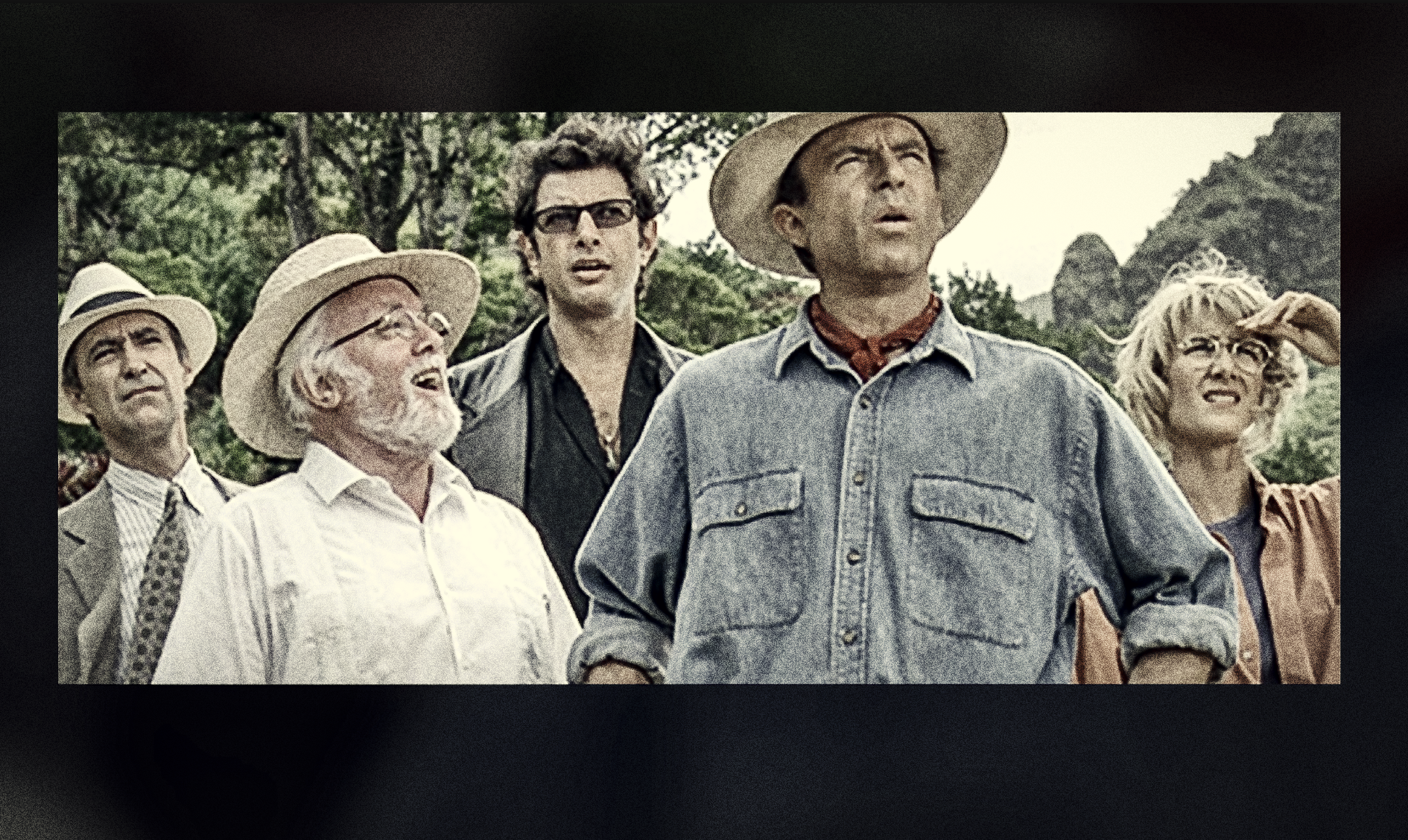
“His brother opened a safari park full of dinosaurs … it was a huge tragedy and loads of people died, but David has never bothered to comment on it.”

Ah, humour.

It can solve just about anything — except, it would appear, the climate crisis.

Source notes:

https://www.saga.co.uk/magazine/entertainment/greatest-david-attenborough-moments, Reddit.

©Universal City Studios LLC/Amblin Entertainment

©Netflix/A Life on Our Planet


Tags: David Attenborough, 100th birthday, centenary, BBC, BBC Natural History Unit, BBC Earth, BBC2, Richard Attenborough, Jurassic Park, r/AskUK, Reddit, Saga UK, rats, BAFTA, Journey Through the South Seas, Cambridge, Oxford, London School of Economics, Monty Python and the Holy Grail, The Killer Rabbit of Caerbannog, A Life on Our Planet

©Alex Strachan / Strachan Photography

The Red Elephants of Tsavo

May 02, 2026

An ode to the old ways of Wild Africa, where remnants of the Pleistocene cling to life to this day.

Tsavo, “Starv-o” in the local legend, is rugged … wild … untamed.

It is Wild Africa as it ever was, and still is in the fevered imagination of the modern age: a rugged beauty and isolation unequaled. Doum palm sunsets, Dawn of Man sunrises — dusk and dawn,

This is Wa-Kamba country, Ukambani, redoubt of the late adventurer-photographer and raconteur poet Peter Beard, and some of the largest elephant herds on the continent, a place where days blend into night and the darkness comes alive with lions roaring over the parched, thorn-brush plains and tree frog symphonies reverberate along riverbeds into the early hours of morning … remnant holdovers from the Pleistocene.

Tsavo is one of the last wild places on Earth, and it does not suffer fools gladly.

I was one of those fools, years back, and it left an indelible impression on me.

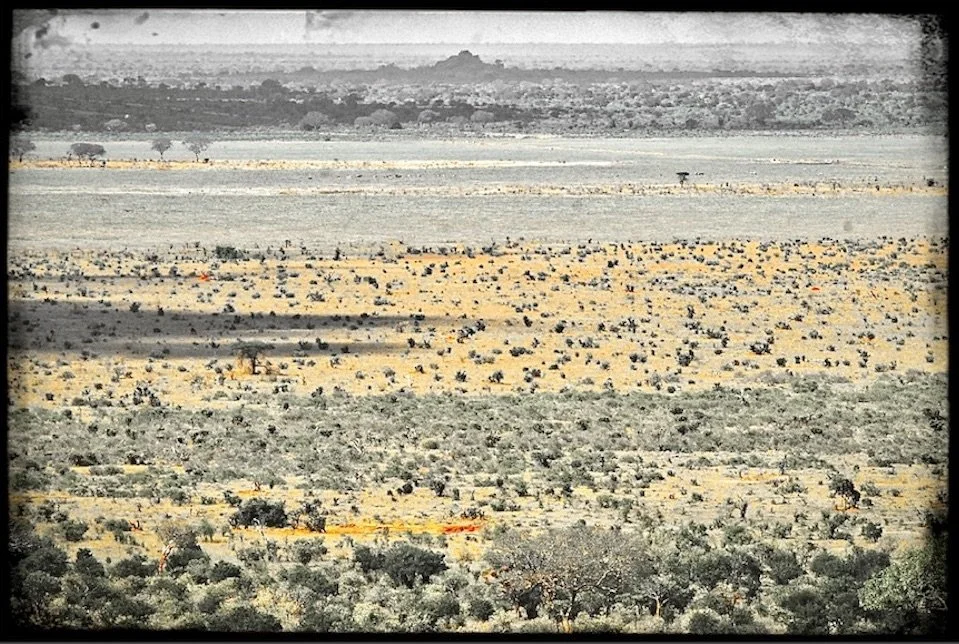
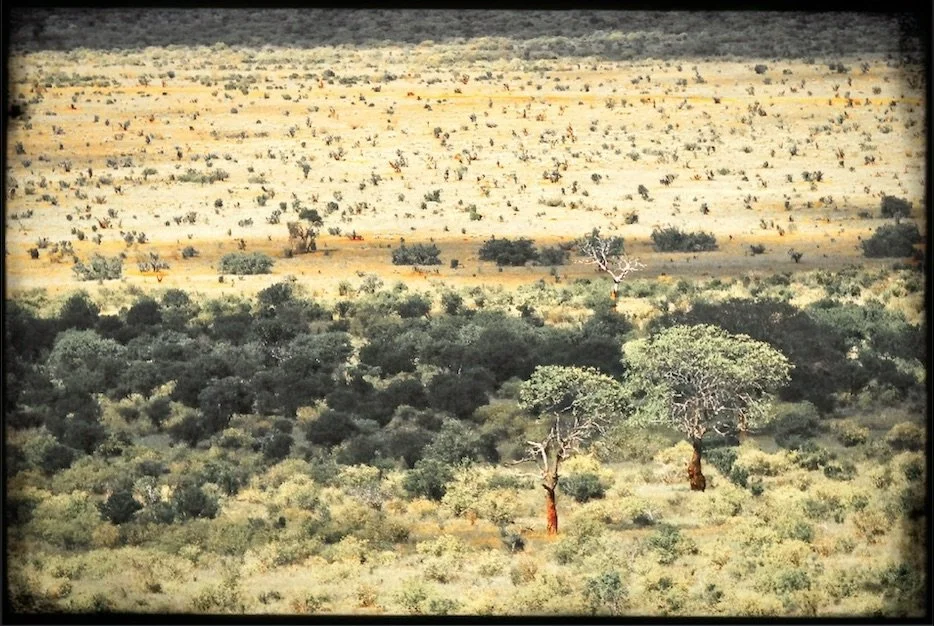
Tsavo East National Park covers an area of 13,747 km² (5,308 sq mi) in Kenya’s southeastern flatlands, not far from where the Indian Ocean meets the Maasai Steppe.

Tsavo West, just across the A109 highway that links Nairobi with the port city of Mombasa, lies within sight of Mount Kilimanjaro, the widest, tallest mountain on the continent. Tsavo West encompasses a further 9,065 km² (3,500 sq mi) of semi-arid thorn scrub and commiphera forest.

In all, Tsavo covers an area roughly equal to that of Israel, or the country of Djibouti, in the nearby Horn of Africa.

At midday temperatures can reach 43℃ (110℉) — too hot for more than a kikoi cloth wraparound and slip-on sandals. Inadvisable footwear in country notorious for its puff adders, black mambas, and spitting cobras.

Beard penned Zara’s Tales, a curated collection of his painstakingly handwritten diaries from more than 20 years of life in the bush, for his then-infant daughter Zara.

Tsavo East was once the home of Waliangulu and Giriama hunters, Beard wrote: beekeepers, trappers, and trainers of bateleur eagles, goshawks, honey buzzards, and lanner falcons. Waliangulus were daring bowmen, fearless hunters of rhino, and some of the biggest, toughest tusker elephants in Africa.

“For the more adventurous visitors,” as the more ‘out there’ tourist brochures say today.

“Walking safaris along the Galana River in Tsavo East National Park offer immersive, guided experiences through Kenya's largest, wildest, and least-visited areas.”

Indeed. Said excursions involve tracking herds of dust-red elephants, hippos, zebras, and oryx on foot, all the while keeping a wary eye out for some of the most fearsome crocodiles on the continent.

This is “high-risk wildlife country,” as the insurance forms say, where reputations count for something. The Great Walk of Africa, a 100-mile multi-day walking expedition arranged by local outfitter Tropical Ice, requires special permits and the accompaniment of armed rangers with the Kenya Wildlife Service (KWS).

Some of these rangers are veterans of the Ivory Wars of the late 1980s and mid 2010s, when KWS anti-poaching units confronted AK-47 wielding shifta bandits from Somalia. The armed gangs were believed to be backed by organized crime syndicates operating across Southeast Asia and the Arabian peninsular, to feed the insatiable ivory markets in China and Japan.

And so it goes.

©Alex Strachan / Strachan Photography

The name “Tropical Ice” is intended irony, a knowing nod to the snowcaps of Kilimanjaro to the south.

“Kili,” as it’s known colloquially, lies just 330km (200 miles) south of the equator — hence the name Tropical Ice.

With its meandering, dry watercourses, flat arid plains and sparse vegetation, Tsavo provides an eerie glimpse back into the continent’s violent geological past. Welcome to unspoiled Africa — “Starv-o,” little changed since Beard and the author-poet Romain Gary made their clarion call for wildlife’s survival in a double issue of Life magazine, published in December 1967.

That Life article featured Beard’s iconic image of a tusker bull elephant on its cover, and was inspired in part by Beard’s book The End of the Game (soon to be reprinted by the German art photography publisher Taschen.)

It was, one reviewer noted at the time, “the only wildlife book I know that tells the truth.”

Africa’s wild elephant populations, estimated at around 1.3 million in the early 1970s, today range somewhere between 415,000 and 470,000 animals. Poaching is an ever present threat. The Ivory Wars go on …

And not just pitched battles over ivory. For many of these animals, survival is a terrifying full-time (pre-) occupation, including a changing environment, human encroachment, and periodic droughts, floods and other climate anomalies ... all part of the great Pleistocene landscape. This is Africa.

Burning sun. Stiff winds. A whole world of beauty and truth, Beard wrote.

Over the course of several days we negotiated steep cliffs and narrow trails, heavy lenses and wide-angles, scouring the terrain — both distant horizon and close commiphora bush — for chance encounters with elephant, buffalo and lion. We followed elephants with cameras, viewing the parched plain from the vantage point of the Yatta Plateau, a unique, dramatic reminder of Tsavo’s Pleistocene past, a primordial place where wild Africa is still breathing its ancient rhythms. An adventure, a landscape, a portrait, a song, a book, a life.

The Yatta Plateau’s western edge forms a distinct, continuous cliff wall that looms over a vast panorama of sand rivers and desiccated thorn bush. This is the land of the world’s largest, longest lava flow, a land where “elephant highways” chart their course across ages-old trade routes, and time goes by as it has for millions of years. Life itself. We come from nothing, and to nothing we will go.

Early fossil remains of Loxodonta africana date back to the Late Miocene, some 2.4 million years ago. Tsavo itself was said tone home to the wildest of wild dogs, the largest, most menacing scorpions on the continent, the world’s longest spitting cobra, some of the most menacing crocodiles this side of the Nile, and, as if this were not enough, around the turn of the 20th century, the infamous man-eating lions of Tsavo.

The man-eaters were a pair of preternaturally large males that terrorized construction of the aptly named “Lunatic Line,” the old colonial rail line that linked the Indian Ocean port of Mombasa to the railhead of Nairobi in the late 1890s, and from there deep into Africa’s Interior.

And therein lies a tale …

©LIFE Magazine/People Inc. / Photo by Peter Beard


Tags: Tsavo, Tsavo National Park, Peter Beard, LIFE Magazine, The End of the Game, Zara's Tales, Romain Gary, lions, elephant, Pleistocene, Miocene, Loxodonta africana, Tropical Ice, Kilimanjaro, Ivory Wars

©Alex Strachan / Strachan Photography

The Lions of 'Starv-o'

May 02, 2026

Tsavo’s lions have a formidable reputation to this day, more than 125 years after a pair of man-eating lions stalled construction of Tsavo’s aptly named “Lunatic Express” rail line.

Therein lies a tale.

Picking up where we left off … for here lies a tale of sleepless nights and the stuff nightmares are made of. They mostly come at night … mostly, goes the old line.

In the dry text of academic accounts of the not-so-recent past, the Tsavo Man-Eaters were a pair of preternaturally large, maneless lions, nicknamed “Ghost” and “Darkness” by their victims, as the lions took on a reputation of almost mythical proportion. For nothing seemed to stop them, neither man nor other beasts, as they raided labourers in their tents at night and carried them off into the dark and … well, you know.The ill-fated rail line would go on to be dubbed “the Lunatic Line,” for the sheer lunacy of building a rail line through some of the most wild, untamed terrain in colonial Africa. Never mind untamed, these lions were untameable.

Not only that, but they seemed to have an uncanny sense for the uncanny, not just evading pursuit and capture but seeming to revel in the sheer stupidity and incompetence of humans — including, but not limited to, the so-called “Great White Hunters” sent in to deal with them.

The Lunatic Line was intended to link the Indian Ocean port city of Mombasa with Lake Victoria, deep in the heart of Central Africa, through the railhead of Nairobi, some 925 km (575 miles) inland from the sea as the vulture flies. The vultures did a lot of flying between March 1898 and December 1899.

The British colonial administrator of the time, Sir Frederick Lugard DSCO, had established the headquarters of the Imperial British Africa Company deep inside Uganda in Central Africa’s Great Lakes region.

The seat of British power and influence was established at Akasozi K’empala, “Hill of the Impala” in the local Luganda language. K’empala was later shortened to simply “Kampala,” as it is known today.

K’empala was traditionally a hunting reserve for the Kabaka king of Buganda, dating back well before Pre-Contact times. Under the auspices of British colonial administration, Kampala would go one to become the locus of European trade for the whole of Central Africa. The Lunatic Line would, in theory, provide a vital trade link to the Indian Ocean, and from there across the sea to Arabia, Asia, and China. And to Europe itself, by following the sea route south using the sea route around the Cape of Good Hope, 12,500 km (roughly 7,700 miles) to the south, on the 34th parallel.

K’empala may have founded as a traditional hunting reserve for Kabaka blue-bloods but just 10 years after Sir Frederick, holder of the Most Distinguished Order of Saint Michael and Saint George (GCMG), it was a pair of marauding maneless lions that did most of the hunting — of humans brazen and rude enough to intrude on their own traditional hunting grounds. And, as anyone who knows Tsavo knows all to well, food is not easily found in such arid, unfriendly  terrain — hence the nickname Starv-o. The lions, twice the size of “regular lions,” could scarcely have believed their luck. Nighttime and the livin' is easy.

More used to tangling with buffalo, anywhere from 400kg (930 lbs) to 900kg (2,000 lbs) of sheer anger, not to mention the thickest hide this side of a 3.5 ton rhino (3,200kg in English money), the Tsavo lions regarded construction on the rail line, to borrow a line from Hemingway, a moveable feast. Far better, and easier, to drag luckless workers from their tents in the dead of the night and devour them within earshot of their colleagues.

Early efforts to rein in the lions proved in vain — to put it mildly — and the situation soon deteriorated to the point where outside help was called in, as the late photographer-adventurer  Peter Beard recounted in his book Zara’s Tales.

By this point, the lions — not just content with the offerings at hand — expanded their appetite to include not just railroad workers but passengers as well.

The lions evolved to become what Anthony Bourdain would describe as “culinary pirates” —diners with a fearless, open-minded attitude toward food, dedicated, like-minded and “slightly reckless” (Bourdain’s words) in the rough. Bourdain often urged travellers to be intrepid and apply the “Grandma rule” of, “Just shut up and eat it,” when offered local food.

The Tsavo lions took this to a whole other level, though. “They were known to snatch (passengers) from their costly Pullman berths in the dead of night,” Beard wrote in Zara’s Tales, “and make a disgusting meal of them.”

Disgusting!

In the end, estimates of the man-eaters’ toll range from 28 — the Uganda Railway Company had a vested interest in keeping the real count as low as possible, so their workers would not revolt … which they did anyway — to more than a hundred, which may be an overestimate but seems more reasonable given that “official: headcounts at the time tended to be haphazard and done on the fly. Daily attendance checks and carefully compiled staffing reports were not as fastidious as they might have been under normal circumstances, “normal” being a malleable concept in Tsavo at the best of times. And these were not the best of times.

As it was, the British colonial administration bid for the services of “an enthusiastic sportsman” to deal with the unruly interlopers for once and for all. That sportsman, Lt. Col. John Henry Patterson, a British Army officer, structural engineer, and recreational hunter during his days in colonial India with wide experience of hunting tigers — surely lions would prove easier — vowed to solve the problem in a “cool, calm, and collected” manner, a matter of days, surely, a week at most.

In the event, it took 10 months.

The lions proved to be moody, unpredictable, irascible, and frighteningly intelligent, with a sixth sense for sensing where there might be trouble, and avoiding it — instead striking where least expected, up and down the rail line, time and time again, at all hours of the night and early morn ing — and, in time, in broad daylight as well.

©Alex Strachan / Strachan Photography

Sometimes they acted alone, sometimes as a pair. They would attack at one point one night, then attack miles away the next night. At one point, they even attacked a field hospital. They evaded lures, broke out of a box trap — reinforced with iron bars — and on the one occasion they fell for a ruse, they broke their way out of their cage and the Great White Hunter sent to shoot them had his gun jam at a most inopportune moment.

These lions were becoming mythical beasts, the stuff of legend, and their uncanny pursuit of humans did not endear them to local villagers, or do much for morale among the rail workers. All-out rebellion ensued, and Lt. Col. John Henry Patterson found himself with a right old mess on his hands.

The “enthusiastic sportsman” was losing his enthusiasm for the chase; perhaps it was time to retire to the comforts of damp, boring Merry Olde England and the leisurely life of a country gentleman in the Cotswolds — not … this. This nightmare of biting flies, a furnace sun, unruly locals on the verge of insurrection, and marauding lions that, as we’ve established, mostly come at night … mostly.

According to the Uganda Railway Company’s official records of the time, the final toll of “deaths by misadventure” clocked in at 28, but as Lt. Col. Patterson himself recounted in his book The Man-eaters of Tsavo (Macmillan, 1907, an instant besteller!), the unofficial number may have been closer to 135, give or take.

Social media not being then what it is today, the real number is anyone's guess.

As it happened, Patterson did eventually bag his lions — though one of them almost bagged him in the process. This time, his gun did not jam. It did, however, require nine of 10 shots, all of them direct hits, to bring the second, larger lion to heel. It just would not die. The stuff of myth and legend.

Patterson had started spending nights alone on one-man stakeouts —not a good idea — using himself as bait, often hiding — not entirely successfully — atop a ramshackle machan, a raised hunting platform made from loose bits and pieces of acacia, commiphora africana and corkwood.

The machan was so rickety it tended to bend and sway in a high wind — a lean-to … literally.

The lions took the bait, but even the it was evident from the first night that things had a way of going wrong, as they tend to do when Wild Africa holds all the cards and Murphy, of Murphy’s Law fame and (mis)fortune, is alive and well.

After several fruitless nights spent perched above his shaky, wobbly perch, Patterson got the distinct feeling he himself was being stalked in the dark. The hunter was being hunted.

In at least one sense, though, the plan was working — the part about holding himself out as bait.

When Patterson finally managed to shoot the first lion — which had indeed been stalking him in the dark — through the chest with a .303 rifle from little more than three metres (10 feet) away … the lion, simply ran off into the night, as if nothing had happened.

On one level, though, the plan was working — the part about holding himself out as bait. When he finally managed to shoot the first lion — which had indeed been stalking him in the dark — through the chest with a .303 rifle from little more than three metres (10 feet) away … the lion, and this is by-all-accounts true, simply ran off into the night, into the underbrush.

Patterson followed up at daybreak — tracking a wounded lion in dense cover being one of the more unenviable challenges a hunter can face, and not one likely to be repeated today by a fat dentist from Minnesota (Cecil the Lion’s killer) — and for a second time in less than 24 hours, Patterson’s ruse of holding himself out as bait worked. This was not quite the way he intended it to happen, however.

The lion, fed up by the Patterson’s impertinence and determined to even the score, charged him from the underbrush.

This time, though, luck was — finally, finally, finally — on Patterson’s side. He managed to shoot the lion in the shoulder — not what he was aiming for — but the bullet ricocheted off heavy bone and penetrated past chordae tendineae into the lion’s heart.

The second lion proved harder to kill, not that the first lion had been easy.

In the end, it took 19 days — 19 days — of tracking the lion in the dense cover and when Patterson finally caught up the lion — or, rather, the lion caught up to him — it took anywhere from six to nine shots to subdue the man-eater. According to Patterson’s diary account, even that was apparently not enough to finish the job: the lion died gnawing furiously on a tree branch lying loose on the ground.

More than century later, Tsavo lions still have a reputation.

Tsavo lions are not like Serengeti lions, the late conservationist Daphne Sheldrick once said. They don’t stretch out under a tree, “waiting for their stomachs to be rubbed.”

Perhaps it is the place itself. Tsavo is the Kamba word for slaughter, Tsavo as “the Place of Slaughter,” invoking the region's historic, often violent past involving community conflicts, the slave trade route, the Ivory Wars … and those infamous man-eating lions..
The last word, as seems only appropriate in an ode to Peter Beard, belongs to Beard himself, who like so many before him, from Karen Blixen and Denys Finch Hatton to Bill Woodley, David Sheldrick and Daphne Sheldrick, grew to regard Tsavo as a second home.

“That’s the way it was … night and day, a child’s dream, an archetypal memory that can only be conjured up on old forgotten films,” Beard wrote in Zara’s Tales. “I can still see and feel my broken-down 1960 Land Rover on river runs, driving down the prehistoric riverbed through assemblies of quietly rumbling elephants going about their eternal business, unaware of their imminent appointment with destiny.”

Beard passed on 19 April, 2020, at age 82.

The elephants’ appointment with destiny has yet to be written.

©Getty Images


Tags: Tsavo, Kenya, Tsavo East, Tsavo National Park, Peter Beard, Zara's Tales, lions, man-eating lions, Lt. Col. John Henry Patterson, Sir Frederick Lugard, Uganda Railway Company, Lunatic Line, Lunatic Express, Kampala, Buganda, Uganda, The Ghost and the Darknessss, Kabaka, Starv-o, Bill Woodley, Daphne Sheldrick, David Sheldrick, Karen Blixen, Denys Finch Hatton
Prev / Next

Journal

"Forget whatever should be forgotten, so that you can remember what should be remembered."


Featured Posts

Featured
maasai1 2.jpeg
May 21, 2026
“It’s Like Killing Culture"
May 21, 2026
May 21, 2026
1.Screenshot 2026-05-07 at 2.44.32 AM.png
May 7, 2026
A Centenary for the Ages
May 7, 2026
May 7, 2026
Screenshot 2026-05-07 at 4.29.13 PM 2.jpeg
May 7, 2026
David Attenborough Curiosities
May 7, 2026
May 7, 2026
Screenshot 2026-05-02 at 3.51.35 PM.png
May 2, 2026
The Red Elephants of Tsavo
May 2, 2026
May 2, 2026
vintage lion1.jpg
May 2, 2026
The Lions of 'Starv-o'
May 2, 2026
May 2, 2026
b.art1.png
April 17, 2025
Bourdain in Nigeria
April 17, 2025
April 17, 2025
1.Dispatches Screen Shot 2024-10-15 at 4.17.26 PM.jpeg
October 26, 2024
Bourdain in Senegal
October 26, 2024
October 26, 2024
1.dispatches ethiopia art.jpeg
September 10, 2024
Bourdain in Ethiopia
September 10, 2024
September 10, 2024
dispatches1.bourdain madagascar.jpeg
July 20, 2024
Bourdain in Madagascar
July 20, 2024
July 20, 2024
dispatches2.jpeg
May 29, 2024
Bourdain in Tanzania
May 29, 2024
May 29, 2024