
Netflix’s follow-up to 2019’s Our Planet marks one of Sir David Attenborough’s finest hours
“The dangerous temptation of wildlife films,” Doug Peacock wrote in Grizzly Years: In Search of the American Wilderness, “is that they can lull us into thinking we can get by without the original models — that we might not need animals in the flesh.”
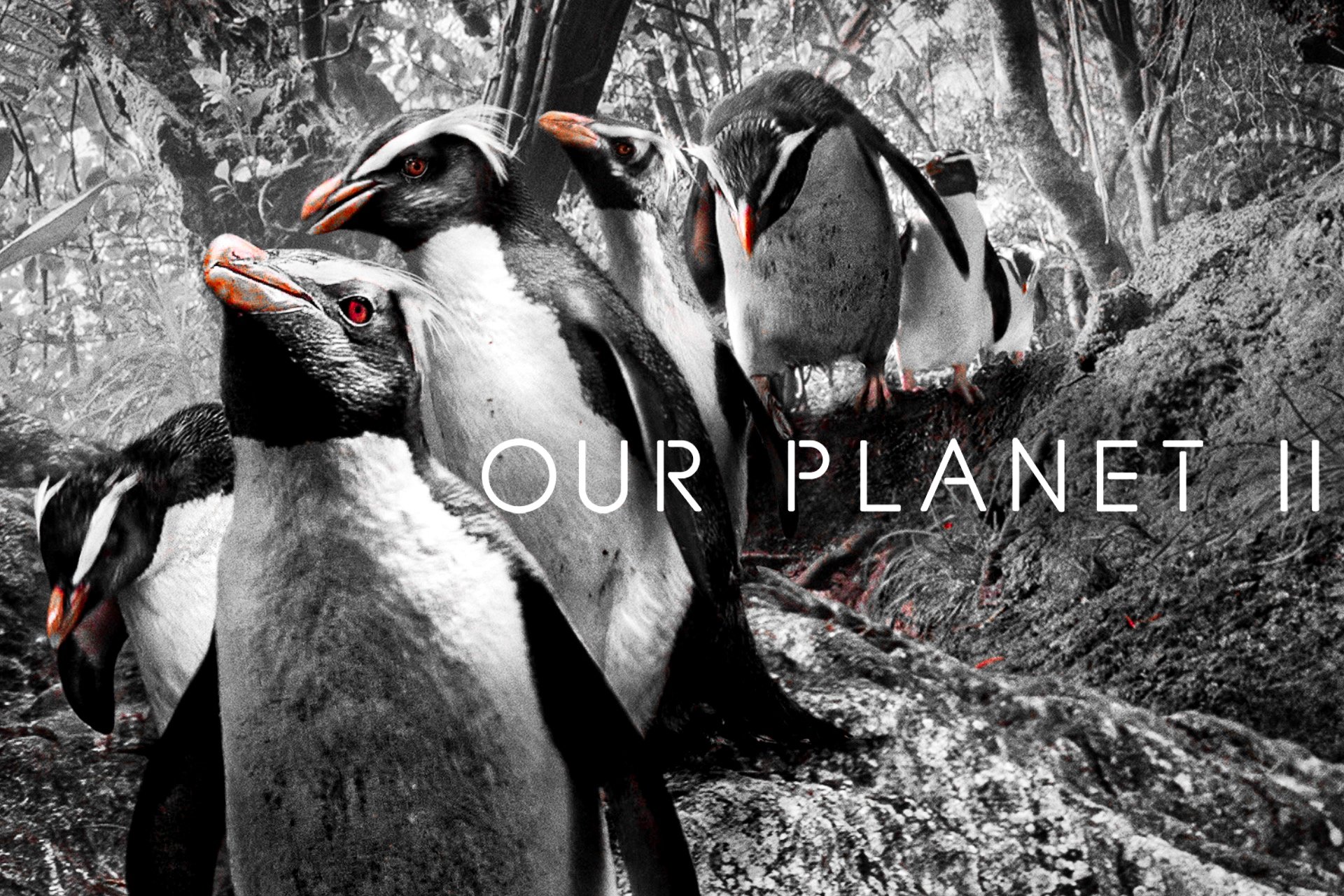
Our Planet, Netflix’s ambitious, eye-opening paean to the wild world, now back in a four-episode second iteration, was always going to be different from the David Attenborough-hosted nature series we’ve become used to seeing.
All the classic signatures are there — Sir David’s emotional, evocative narration; the wonder, the astonishing, at-times jaw-dropping cinematography — but this time, the emphasis was going to be about the changing world and how we humans are forcing many of those changes, just by our presence.
It’s a fine line to walk. As Attenborough himself once said, in a profile on the CBS newsmagazine 60 Minutes, about his early programs, no one wants to be told the Earth is going to hell and it’s all our fault.
Our Planet II opens with a hunt: lions in Botswana’s Kalahari down a cape buffalo from one of the largest known herds of buffalo on the planet.
From the air — visually, one of the big differences between Our Planet II and the original is that the latest edition relies heavily on drone technology, which has advanced dramatically in just five years — the sight is stunning … there could be thousands of buffalo down there. Literally. It’s a full-on mass migration, and that’s unique to that part of Africa. Buffalo normally gather in herds of 20 or so, and stake their claim to a particular territory. They move around, but not like this. This is unique.
The world is changing, Attenborough tells us in his narration, and wildlife must change with it if it is to survive.
We must change, too, whether we like it or not.
We, too, may soon bear witness to human mass migrations on a sweeping scale.
In some ways, we are already seeing it, with the migrant crossings across the Mediterranean. Just last week, hundreds of refugees, many of them from drought-stricken countries in sub-Saharan Africa seeking a better life in southern Europe, drowned at sea, so many that one NGO official described the Mediterranean as a ‘mass graveyard’ — this after an overcrowded boat carrying as many as 750 refugees capsized off the coast of Greece. Most of the victims drowned; at last count, little more than 100 survivors were plucked out of the ocean.
Without saying so in so many words — Attenborough makes no mention of climate refugees per se — Our Planet draws parallels between the natural world forced to co-exist with a world of our own making and an uncertain future for all life on Earth, and not just wildlife.
Over the coming days and weeks, I’ll review each episode of Our Planet II in sequence, with anecdotes from behind the scenes. The entire season is now streaming on Netflix, but there are moments here so wrenching and powerful they need to be absorbed slowly, over time, with time left between hours to think and reflect. This is not binge-viewing. Quite the opposite. The four hours stand alone by themselves, each on its own, and that is the way they need to be seen.
Much has been made of Netflix’s eclectic, high-profile series, some of which have become staples of popular culture, from Stranger Things to Squid Game and Lupin, but for me, the Our Planet series is the most important, the most meaningful, and the biggest reason for being. It’s not just a prestige documentary — it’s a living testament to life on Earth, and what remains of it.
Next: an in-depth look at episode 1, World on the Move.
Netflix/Silverback Films