

Roundups of the year’s most important environmental stories can’t help but focus on the bad. Here’s a good news story, though.
The most important environmental stories of any year are always those most likely to have ripple effects well into the future.
Hot winter, hot spring, hot summer and hot fall, capped by a bogus climate conference in an Arabian Gulf petrostate to close the year, marked 2023 as a year to forget, though, of course, we can’t — and shouldn’t.
The past year was the world’s hottest since record-keeping began, meteorologists and climatologists agree. Don’t argue. The science is in. Time to stop playing games.
On every continent and across every season, surface temperatures broke long-standing records and, in the process, made it clear that the age of climate change isn’t some distant what-if. It is here, now.
There were glimmers of hope, though, if a glimmer is, in truth, all they are. Offhand, I can think of two.
I’ll get to the second, involving youth climate protesters and the courts, in my next post. First, though, here’s a story that barely caused a ripple in the mainstream press, but which has the potential to change the way governments think and act in the future.
Ecuador, August. This country of 17 million people (according to the official 2022 census) and covering some 282,000 km² (109,000 square miles) is one of 17 countries officially designated by the NGO Conservation International as megadiverse, those countries that are home to the majority of the Earth’s wild species, including a wide range of endemic plant and animal species found nowhere else. Ecuador’s territorial responsibility includes the Galápagos Islands — and it is also home to potentially vast reserves of oil.
Even as some countries say one thing and do another with regards to oil exploration and development — hello, Norway — on Aug. 20th Ecauadorans voted in a historic referendum to put the brakes on the development of all new oil wells in Parque Nacional Yasuní in the Amazon, one of the most biodiverse regions on the planet.
Unesco designated Yasuní as a World Biosphere Reserve in 1989. It covers more than 1m hectares (2.5m acres) and is home to 610 species of birds, 139 species of amphibians and 121 species of reptiles. On one hectare alone there are 665 tree and bush species, more species than in the whole of Europe or the USA and Canada combined.
On one hectare alone there are 665 tree and bush species, more species than in the whole of Europe or the USA and Canada combined.
The referendum was included as part of the first round of presidential elections. In the end, voters chose to safeguard the biosphere by a margin of nearly 20%, with more than 58% in favour and 41% against.
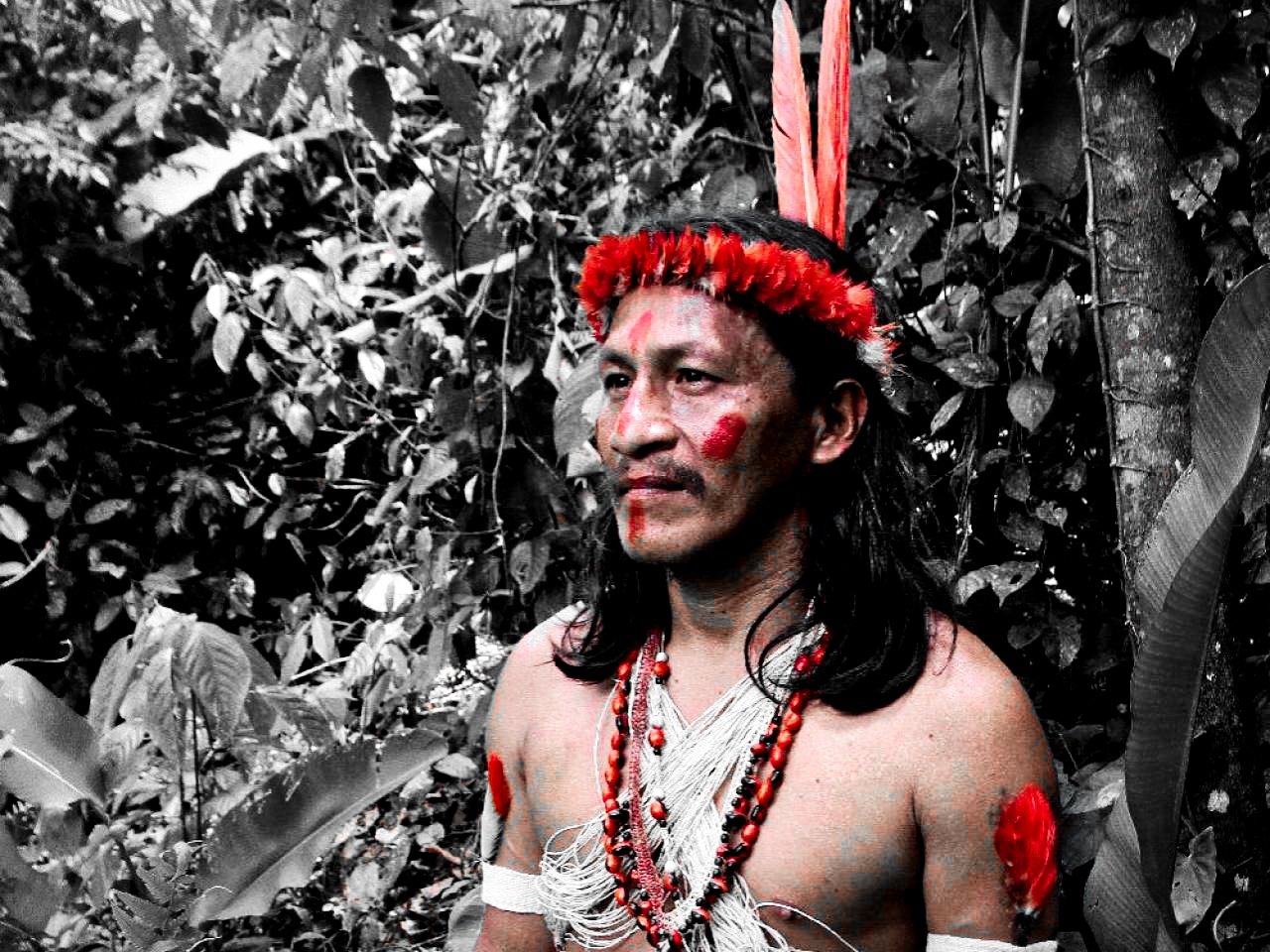
The move means an estimated 725m barrels of oil will stay underground in an area of the Amazon that is also home to the Tagaeri and Taromenane indigenous tribes, two of the world’s last remaining “uncontacted” Indigenous communities.
Ecuador’s voters took the unprecedented step of knowingly forgoing the profits to be made from oil extraction. They decided the damage was not worth the risk, no doubt aware of the oil industry’s reckless practices and appalling record when it comes to extracting oil in the Amazon region, not to mention attendant factors such as water pollution, environmental degradation and human rights abuses.
At a time when the climate crisis is intensifying and the Amazon rainforest is fast approaching an irreversible tipping point, Ecuador has become one of the few countries in the world to set limits on resource extraction through a democratic vote.
In a second referendum, Ecuadoran voters voted to block gold mining in the Chocó Andino, a sensitive highland biosphere near the capital of Quito, by an even larger margin: 68% to 31%. Pedro Bermeo, founding member of Yasunidos, an activist group that gathered hundreds of thousands of signatures petitioning the referendum, told the Guardian newspaper that the vote shows that the “greatest national consensus at this time is in the defence of nature, the defence of Indigenous peoples and nationalities, the defence of life.”
Well, yes. It doesn’t end there, though.
“The fight isn’t over,” Bermneo added. “Even if politicians separate us, nature unites us, and we will work together to ensure the government complies with the will of Ecuadorian people.”
And, with luck, the will of people the world over.
The referendum is binding — and permanent. It cannot and will not be undone by a future government; it’s enshrined in law.
Baby steps, but steps just the same.
Hablemos de Culturas